
Japan Etiquette Guide for Travellers – 2026 Tips
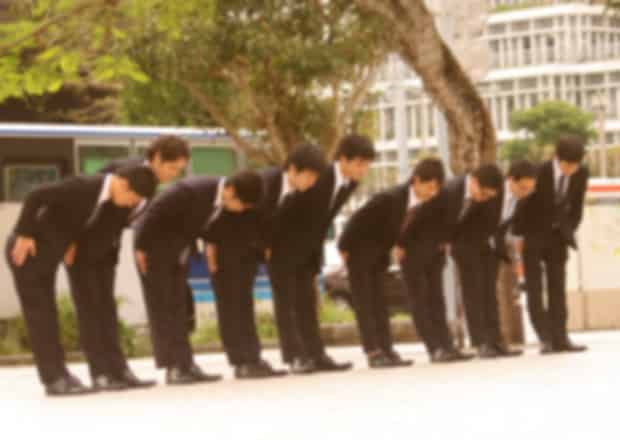
Japan etiquettes may seem subtle at first, but it plays a big role in how everyday life flows. From greetings and dining to public transport and shared spaces, these practices are rooted in respect, awareness, and consideration for others. As a traveller, knowing the Japanese etiquette prevents embarrassing situations and makes the communication with the locals appear less unnatural. From bowing and chopstick manners to public transport behaviour and gift-giving traditions, this guide covers the essential cultural practices you should know before visiting Japan, helping you explore the country with ease, confidence, and respect.
Also Read: 7-Day Japan Travel Guide
Why Japanese Etiquette Matters for Travellers
- Reflects respect for local culture and traditions
- Helps avoid unintentional offence
- Enhances interactions with locals
- Creates smoother experiences in public spaces
- Shows cultural awareness, even without speaking Japanese
Greeting Etiquette in Japan
1. The Meaning of Bowing
The most famous gesture in Japan is a bow. A slight bow (15 degrees) is acceptable in casual greetings, whereas a stronger bow indicates more respect. A slight nod of the head is quite satisfactory among travellers. Shaking hands is becoming popular in the business world, particularly with foreigners, but the most reliable and respectful way of greeting is by bowing.
2. How to Address People Properly in Japan
In Japan, family names are placed first. The use of san after a name shows politeness. First names should not be used without permission. Addressing someone appropriately is an indication of cultural sensitivity and respect.
3. Basic Japanese Phrases Every Traveller Should Know
It is always welcome to learn at least a few basic phrases in Japanese so that respect can be given, and that too when one is visiting some of the popular attractions in Japan. Some of the basic phrases in the Janapesne language are:
- Sumimasen (excuse me/sorry
- arigatou gozaimasu” (thank you),
- Onegaishimasu (please) will serve you well.
Tips: Don’t be offended if someone seems uncomfortable speaking English; language anxiety is common, not rude.
Basic Etiquette Rules in Japan for Everyday Life
Basic etiquette in Japan focuses on orderliness and respect for shared spaces.
- Standing in queues, arriving on time, and following posted rules are everyday expectations.
- Eating while walking, littering, or blocking pathways is discouraged.
- In large cities such as Tokyo, these habits are especially visible on public transport, at stations, and in shopping districts.
Dining Etiquette in Japan Every Traveller Must Know
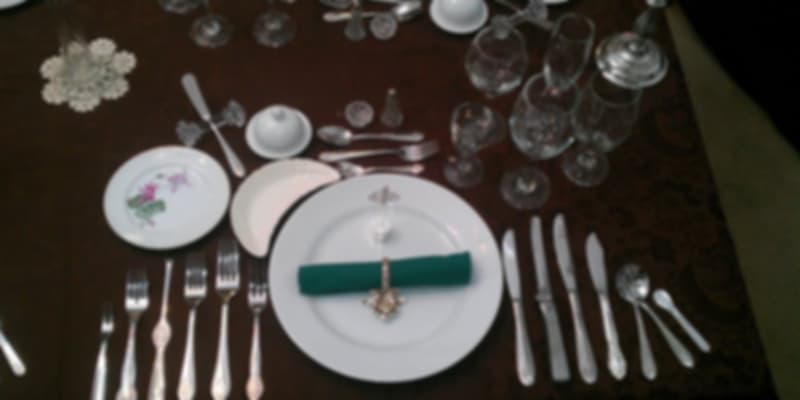
Dining Etiquette
1. Before & During a Meal – Itadakimasu to Slurping
Start eating by saying itadakimasu, which means thank you for the food. Saying it softly before eating food in Japan is a sign of gratitude. When eating in the local Japanese restaurants, particularly in regions where slurping noodles is acceptable and even encouraged as a sign of enjoyment.
2. Chopstick Etiquette Rules You Should Never Break
Chopstick etiquette in Japan is an important part of dining culture. It is also important not to put chopsticks in rice upside down or transfer one set of chopsticks to another, since they are linked with funerals.
3. Drinking Etiquette in Japan – Kanpai & Pouring Drinks
Drinking etiquette in Japan emphasises group harmony rather than individual preference. It is customary to pour drinks for others instead of yourself, particularly in social or work-related gatherings. When someone pours your drink, holding the glass with both hands shows politeness. Drinking usually begins after everyone says Kanpai.
Tipping Etiquette in Japan
Tipping is not part of Japanese etiquette. Payment is usually made at the counter, not at the table, and money is placed on a small tray rather than handed directly.
A simple ramen meal costs around INR 600 to INR 900, while a traditional kaiseki dinner can range from INR 6,000 to INR 15,000 depending on the restaurant.
Public Transport Etiquette in Japan
1. Silence & Phone Rules on Trains and Buses
Public transport in Japan is quiet and calm, including long-distance trains like the Japan Shinkansen. Loud conversations and phone calls on trains or buses are generally avoided, as silence is seen as a sign of respect for fellow passengers.
2. Queueing & Boarding Rules in Japan
Queueing is strictly followed on Japanese platforms. Rushing, pushing, or cutting in line is considered rude. This orderly system is especially visible in busy cities like Tokyo.
3. Seating & Priority Seat Etiquette
Priority seats are reserved for elderly people, pregnant women, passengers with disabilities, and those who are injured. Offering your seat when needed is a basic sign of politeness on Japanese public transport.
3. Luggage Rules & Baggage Forwarding Services
Large suitcases should be avoided during peak hours. Many travellers use luggage forwarding services, which cost around INR 1,500 to INR 2,500 per bag, depending on distance.
Temple and Shrine Etiquette in Japan
When visiting shrines and temples in Japan, carry modest clothing that covers your knees and shoulders. At the entrance, you may see a water basin for ritual cleansing. Rinse your hands and mouth lightly before entering.
Photography is usually allowed outdoors but may be restricted inside halls. Always observe signs and follow instructions.
Social Etiquette in Japan’s Daily Life
Personal Space, Public Behaviour & Cleanliness
Public displays of affection are rare. Holding hands is acceptable, but hugging or kissing in public is uncommon. Blowing your nose in public is considered impolite, so many people step aside discreetly.
Trash bins are scarce, yet streets are spotless. Carry your waste until you find a bin, often located near vending machines.
Shopping Etiquette in Japan
Shopping in Japan feels calm, polite, and well organised. Staff usually greet customers warmly, and a simple nod or smile in return is appreciated. Objects are also usually received with both hands, and your change is also placed into a tray instead of your hands. There is no culture of bargaining, even in smaller stores or local markets, and therefore,
Important Japanese Cultural Etiquette Tourists Often Miss
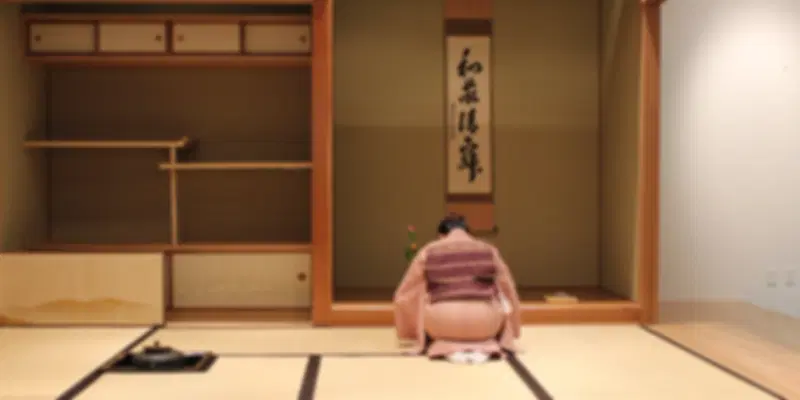
Japanese Cultural Etiquette
Shoes-Off Rule in Homes, Ryokans & Temples
Among the most significant principles of simple cultural manners, one should take off their shoes when entering Japanese houses, traditional restaurants, temples, and hotels in Japan. Look for the genkan (entryway) where shoes are left. You’ll often find slippers provided for indoor use, but remember to remove even these before stepping on tatami mats.
Onsen & Public Bathing Etiquette in Japan
If you visit a sento (public bath) or hot springs (onsens) in Japan, wash yourself before entering. Tattoos are often prohibited due to their historical association with organised crime, though some facilities are becoming more accepting.
Gift-Giving Etiquette, Traditions & Timing
Gift giving is an art form in Japan. Presentation matters as much as the gift itself, so take time with wrapping or buy pre-wrapped items. When receiving gifts, accept with both hands and show appreciation, but typically wait to open them later unless encouraged otherwise.
In Japan, gift giving is traditionally done on Valentine’s Day (14 February), White Day (14 March), and during seasonal periods like Ochugen (July) and Oseibo (December), focusing more on timing, presentation, and gratitude than on the value of the gift.
Do’s and Don’ts in Japan for Tourists
Dos – What You Should Always Do in Japan
- Bow lightly when greeting or thanking someone
- Queue patiently and follow public rules
- Speak softly in public places and on transport
- Remove shoes when entering homes or certain venues
- Be punctual for meetings and reservations
- Carry your trash until you find a bin
Don’ts – Things not to do in Japan
- Don’t tip in restaurants, taxis, or hotels
- Don’t talk loudly or take phone calls on trains
- Don’t eat while walking in public areas
- Don’t stick chopsticks upright in rice
- Don’t ignore temple, shrine, or onsen rules
- Don’t invade personal space or rush queues
Conclusion – How Following Japanese Etiquette Enhances Your Travel Experience
Japan etiquettes is not about rigid rules, but more about respect, awareness, and kindness to other people. Simple things like courtesy, paying attention to the local traditions and keeping an eye on the common areas can significantly make your experience better. Once you learn Japan etiquettes, your trip will be easier, more profound, and significant.
For a smooth and well-planned trip, you can explore Japan tour packages from Pickyourtrail, which offer customisable itineraries, cultural experiences, and hassle-free travel planning tailored to first-time and repeat visitors alike.

Recommended articles for you










Discover Packages


















Packages By Departure City
Packages By Duration

Need help in planning?
Talk to our Travel Experts