
Japan National Parks: A Complete Guide to the Best National Parks in Japan
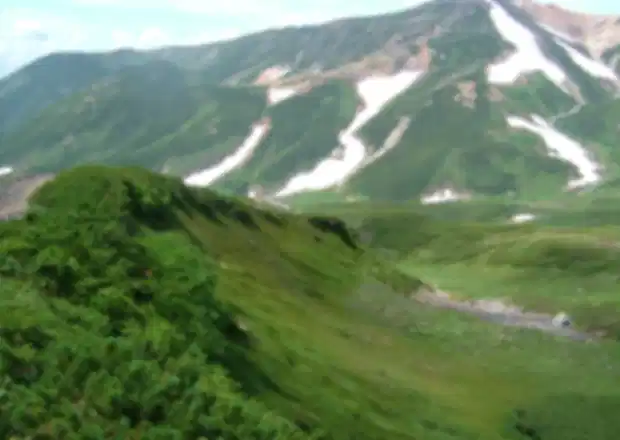
Japan National Parks showcase the country’s remarkable natural diversity. From the snow-covered peaks of Hokkaido to the subtropical forests and coral reefs of Okinawa, Japan’s national parks safeguard nearly 22,000 square kilometres of extraordinary landscapes. These protected areas preserve volcanic mountains, pristine coastlines, ancient forests, and rich wildlife, supported by well-maintained hiking trails and scenic viewpoints.
This guide explores the best national parks in Japan, where volcanic mountains meet sacred forests and crystalline coastlines, offering travellers a deeper connection to the country’s natural and cultural heritage.
Understanding Japan’s National Park System
Japan established its national park system in the early 20th century, with Setonaikai, Unzen, and Kirishima among the first protected areas. Today, Japan has 34 national parks and 58 quasi-national parks, protecting landscapes that range from subtropical coral reefs to subarctic wilderness.
Japan’s national parks operate under a unique mixed-ownership model, where private landowners and the state share conservation responsibilities. Collectively, these parks protect over 7,800 plant species, 190 mammal species, and 700 bird species, many of which are endemic to Japan.
Also Read:- Japan Family Travel on a Budget
Fuji-Hakone-Izu National Park: Japan’s Most Famous National Park
Spanning approximately 1,230 square kilometres across Yamanashi, Shizuoka, Kanagawa, and Tokyo, Fuji-Hakone-Izu is among the most visited and best national parks in Japan. The park comprises three distinct regions, each offering unique experiences.
1. Mount Fuji
Rising to 3,776 metres, Mount Fuji is Japan’s highest peak and a UNESCO World Heritage Site. Beyond its dramatic beauty, the mountain holds deep cultural significance in Japanese art, religion, and national identity.
- Best for: First-time visitors, photographers, sunrise and sunset views.
2. Hakone Region
The Hakone region centres around Lake Ashi, a crater lake formed nearly 3,000 years ago. Surrounded by volcanic peaks, the area features over 20 natural hot springs, each with unique mineral compositions and views of Mount Fuji.
- Best for: Hot spring enthusiasts, families, easy-access Mount Fuji views.
3. Izu Peninsula
The Izu Peninsula features an extensive, rugged coastline marked by sea cliffs, hidden coves, and geothermal landscapes. Its western coast offers excellent diving conditions, while the eastern shoreline hosts seven UNESCO Global Geopark sites showcasing volcanic geology.
- Best for: Divers, offbeat hot spring seekers, quieter coastal escapes.
Also Read:- Japan Trip Calculator
Yoshino-Kumano National Park: Sacred Trails and Ancient Forests
Stretching across the Kii Peninsula in Mie, Nara, and Wakayama, Yoshino-Kumano National Park protects sacred mountains, ancient forests, waterfalls, and rugged coastlines. The park is recognised as a UNESCO World Heritage Site for its spiritual and cultural significance.
1. The Sacred Kumano Kodo Trails
The Kumano Kodo network comprises over 160 kilometres of ancient pilgrimage routes linking the three grand shrines:
- Kumano Hongu Taisha
- Kumano Nachi Taisha
- Kumano Hayatama Taisha
- Best for: Hikers, spiritual travellers, cultural explorers.
2. Yoshino’s Cherry Blossoms
Mount Yoshino is home to nearly 30,000 cherry trees planted across four elevation zones, creating a layered bloom from early April to late May. Traditional shukubo (temple lodging) is available in Yoshino village, typically ranging from ₹5,000–12,000 per night, including meals.
- Best for: Nature lovers, photographers, couples.
3. Nachi Falls
At 133 metres, Nachi Falls is Japan’s tallest waterfall. Flowing beside Seiganto-ji Temple and a 1,700-year-old camphor tree, the waterfall is revered as a deity in Shinto belief and maintains a steady flow year-round.
- Best for: Nature enthusiasts, spiritual travellers.
4. Shirahama Coastal Area
Shirahama’s powdery white sand beaches stretch along Wakayama’s southern coast, contrasting beautifully with rocky headlands. Coastal hot springs here allow travellers to soak while waves crash just metres away.
- Best for: Beach lovers, families.
Also Read:- Indian Restaurants in Japan
More National Parks to Visit in Japan
Beyond Fuji-Hakone-Izu and Yoshino-Kumano, several other national parks showcase Japan’s ecological range.
1. Chubu-Sangaku National Park (Northern Alps)
Encompassing the Northern Japanese Alps, this park delivers Japan’s most dramatic alpine scenery, featuring jagged peaks, deep valleys, and seasonal snow corridors.
- Best for: Experienced hikers, alpine enthusiasts, and photographers.
2. Daisetsuzan National Park
Located in central Hokkaido, Daisetsuzan is Japan’s largest national park, covering 2,267 square kilometres. The park hosts Mount Asahi, Hokkaido’s highest peak, over 250 alpine plant species, and resident brown bears. It also experiences Japan’s earliest autumn colours.
- Best for: Wilderness seekers, wildlife enthusiasts.
3. Akan-Mashu National Park
This park protects three volcanic caldera lakes, Lake Akan, Lake Kussharo, and Lake Mashu. Lake Mashu is among the clearest lakes in the world, while Lake Akan is famous for rare Marimo algae balls. The region also offers insight into Ainu culture, the indigenous heritage of Hokkaido.
- Best for: Hot spring lovers, cultural travellers.
4. Kerama Islands National Park
Located southwest of Okinawa, Kerama Islands National Park protects 3,520 hectares of coral reefs surrounding 36 islands. The waters host over 250 coral species, and sea turtles nest here from May to August.
- Best for: Snorkellers, divers, beach lovers, and families.
5. Aso-Kuju National Park
Home to Mount Aso, one of the world’s largest active volcanic calderas, this park blends dramatic geology with rural life. The fertile caldera floor supports farming communities, while access to the crater is regulated during high volcanic activity.
- Best for: Photographers, volcanic geology enthusiasts.
Japan National Parks: Quick Reference Guide
| Park Name | Location | Best For | Ideal Season |
| Fuji-Hakone-Izu | Central Honshu | First-timers, families | July–September, Oct–Nov |
| Yoshino-Kumano | Kii Peninsula | Hikers, spiritual seekers | Apr–May, Sept–Nov |
| Chubu-Sangaku | Northern Alps | Alpine hikers | June–Sept |
| Daisetsuzan | Central Hokkaido | Wilderness seekers | July–Sept |
| Akan-Mashu | Eastern Hokkaido | Lake & culture lovers | June–Oct |
| Kerama Islands | Okinawa | Divers, beach lovers | Apr–Nov |
| Aso-Kuju | Kyushu | Volcano enthusiasts | March–Nov |
Planning Your Visit to Japan’s National Parks
1. Getting Around
Most major national parks connect via Japan Railways (JR), with local buses linking stations to park entrances. The JR Pass offers economical access during multi-region trips. A 7-day ordinary pass costs approximately ₹23,000, covering most JR trains, including shinkansen.
Where to Stay
Accommodation ranges from luxury resorts to mountain huts:
- Ryokans: ₹8,000–30,000 per night
- Mountain huts: ₹6,000–9,000 per night (basic facilities)
*Prices are indicative and vary by season.
Best Time to Visit Japan National Parks
- Spring (Apr–May): Cherry blossoms, mild temperatures
- Summer (Jun–Aug): Best for alpine parks; rainy season peaks in June
- Autumn (Oct–Nov): Fall foliage and stable weather
What to Pack
- Light insulated jacket
- Rain jacket
- Thermal layers
- Sun protection
- Comfortable hiking shoes
- Reusable water bottle
- Basic first-aid supplies
Conclusion: Why Japan National Parks Should Be on Your Travel List
Japan’s national parks protect an extraordinary range of ecosystems, from coral reefs and subtropical islands to alpine tundra, volcanic craters, and sacred forests. Whether you dream of sunrise atop Mount Fuji, walking ancient Kumano Kodo trails, or diving among Okinawa’s coral gardens, the national parks to visit in Japan reveal the country’s natural beauty and cultural depth at every turn.Plan your journey with Pickyourtrail’s customisable Japan tour packages for seamless travel, curated experiences, and nature-focused itineraries.
Spring (April–May) and autumn (October–November) offer ideal weather, cherry blossoms, and autumn foliage across most parks.
Most parks require no permits for general access. Some wildlife zones or restricted areas may need advance bookings.
Yes. Many parks offer developed trails, visitor centres, and family-friendly facilities.
Major parks connect via JR rail lines with local buses to park entrances. Remote areas, especially in Hokkaido, may require rental cars.
Expect Japanese macaques, sika deer, red-crowned cranes, and brown bears in Hokkaido, sea turtles, tropical fish, and whales in marine parks.
Designated campgrounds operate in many parks, typically costing ₹500–2,000 per night. Wild camping is generally prohibited.
Pack layered clothing, rain protection, sun gear, sturdy footwear, and refillable water bottles.
Japan’s national parks charge no general entry fees, though some attractions and hot springs may charge small maintenance fees.
Recommended articles for you









Discover Packages



















Packages By Departure City
Packages By Duration

Need help in planning?
Talk to our Travel Experts