
Japanese Temple and Peace Pagoda – a symbol of peace and religion
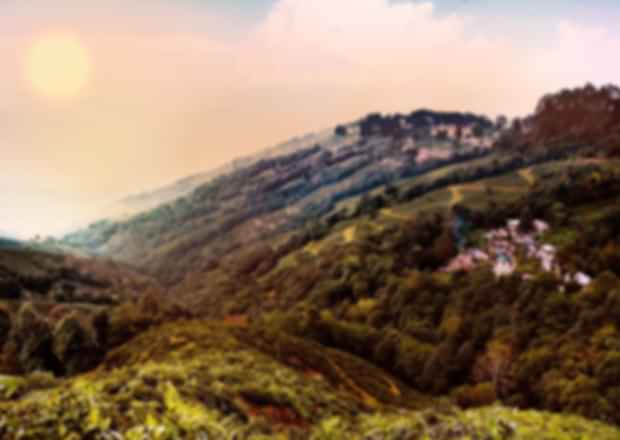
From the Darjeeling town centre, there is a wonderful Japanese temple and Peace Pagoda located a 10-minute driving distance away. The temple’s other name is Nipponzan Myohoji Buddhist Temple. In 1972, the two-storied white building was built in a traditional Japanese style. The Peace Pagoda that showcases four avatars of Lord Buddha is close to the temple. These cultural landmarks highlight the spiritual diversity and heritage that make Indian tourism so unique. From the top of the Pagoda, you get a panoramic view of the Darjeeling landscape, including the Kanchenjunga range.

Japanese peace pagoda
Japanese Temple and Peace Pagoda: A Symbol of Peace and Spirituality
Earlier, through the main gate of the temple premises, the car could enter and park right below the temple. These days a walk for about 5–6 minutes is required from the main gate along a narrow road that first goes downhill and then uphill. You will notice a few small houses on the right with prayer flags fluttering in front of them on the way. You will reach another gate as you walk along and some flights of stairs that lead to the Japanese Temple.
Suggested Read: Best places to visit in Sikkim – Best sights of Sikkim
There is a picture of the founder, Fujii Guruji, as you enter the temple. It’s a Buddhist religious temple; hence, there is also a model of Buddha. “Nipponzan Myohoji” was started by Fujii Guruji. Fujii Guruji was also a close associate of Mahatma Gandhi apart from being the founder and preceptor of “Nipponzan Myohoji”. He had seen the tragedy of the atom bomb in Hiroshima and Nagasaki in 1945.
Prayer Experience at the Japanese Temple
You will reach the large prayer room upstairs as you walk up the wooden stairs. From 4:30 am to 6:00 am in the morning and again from 4:30 pm to 6:30 pm in the evening are the prayer timings. You can join the prayers and get an opportunity for introspection and feel the divine peace the temple offers. If you can time it right, you will see the present Guruji or the chief priest offering the prayers, making this a must-experience on a Darjeeling 3-night, 4-day 4-day all-inclusive itinerary. In the prayer room, a huge drum is beaten (also known as ‘Ho-ko’), from which a reverberating sound originates and fills the entire temple premises. What adds to the solemn atmosphere is the humming sound and the chants.
You will be invited to sit and join the prayer as you enter the room. You too can drum in the same rhythm; hence, a small drumming pad and a stick will be given to you for the same. You will be amazed how such a small pad, too, can generate a similar resonating sound. You will be offered small sweet balls on your exit that represent the deity’s blessings. Inside the temple, photography is allowed, but at the same time, it is prohibited in the prayer room when the prayer is going on.
Also Read: Baba Mandir, Sikkim – Must Visit During your Darjeeling Vacation

Japanese Peace Pagoda, Darjeeling
Peace Pagoda Darjeeling: History and Significance
The Peace Pagoda is close to the temple, some 100 yards away. On November 3, 1972, the foundation stone of the Peace Pagoda was laid by Nichidatsu Fujii, and on November 1, 1992, it was subsequently opened. The appearance of the Peace Pagoda is a depiction of Lord Buddha radiating peace and non-violence. According to the Lotus Sutra, it purifies the land as well as the mind and soul of the people. In Kumamoto, Japan, the first Peace Pagoda was built by Fujii Guruji in the year 1954.
Four avatars of Buddha are showcased by the Peace Pagoda. This is the tallest free-standing structure in Darjeeling. Its height is 28.5 metres and diameter is 23 metres. You will see two concrete models of lions on two sides at a lower level, as you climb up the stairs in the Pagoda. All large statues of the avatars of Buddha are carved in the walls and polished to a gold colour. Dr M. Ohka of Japan designed The Peace Pagoda, which took three years to construct.

Buddhist Temple Peace Pagoda Darjeeling
What to See at the Peace Pagoda
At the pinnacle, take a walk (‘Parikrama’) around the pagoda. You can witness beautiful artwork etched on sandstones that look like a wooden framework depicting the life of Buddha and his relics. During the Parikrama, one will see the four avatars of Buddha, which include Buddha’s postures such as sitting, sleeping, standing and meditating. This peaceful experience is one of the best places to see in West Bengal for travellers seeking cultural and spiritual exploration. You get wonderful views from the top of the pagoda and also see the Japanese Temple at a distance. Behind that, which includes pine trees, you can enjoy the serene surroundings. As you look around to the left, you will see the mountain range. The snow peaks are clearly visible from here on a clear day.
Best Time to Visit Japanese Temple and Peace Pagoda, Darjeeling
The best time to visit the Japanese Temple and Peace Pagoda in Darjeeling is during the morning hours when the surroundings are peaceful and the weather is pleasant. Clear days between October and December offer stunning views of the Kanchenjunga range from the Pagoda.
Opening Hours of Japanese temple and Peace Pagoda
The opening hours of the temple are from 4:30 am in the morning up to 7:00 pm daily. There is no admission fee. Prayer timings are from 4:30 am to 6:00 am and 4:30 pm to 6:30 pm. Facilities like toilets are also available in the vicinity.
Also Read: Yiga Choeling Monastery Darjeeling – The Old Ghoom Monastery

Japanese Temple & Peace Pagoda
Location
The Japanese Temple & Peace Pagoda are situated atop the Jalapahar hill region. It is one of the top hill stations near Kolkata for travellers seeking peaceful mountain escapes, with nearby destinations like Mirik offering serene lakes, lush landscapes, and beautiful Himalayan views. It’s about 10 minutes drive by car from the centre of Darjeeling town.
Conclusion:
Darjeeling, the ‘Queen of the hills’ is a quintessence of natural beauty. This nature’s best destination will let you explore the most serene and peaceful locations of all time, one of them being the Japanese temple and Peace Pagoda. A symbol of peace and religion, here are some reasons that describe why you should visit the Japanese Pagoda when in Darjeeling. The serenity, overall atmosphere and natural beauty of the place provide a priceless experience to any tourist. Visiting a place like this must be added to your Darjeeling holiday packages. Check some of the best Darjeeling holiday packages and book your trip now with Pickyourtrail and leave a Whatsapp inquiry for more options. Download the Pickyourtrail travel app from Playstore and IOS for details.
If you are looking for a perfect international trip, Pickyourtrail offers you the best International tour packages where you can customise your itinerary.
FAQs
- Are the Peace Pagoda and the Japanese Temple the same?
No, the Peace Pagoda and Japanese Temple are two different structures located close to each other in Darjeeling. The Japanese Peace Pagoda is a Buddhist monument, while the temple is a place of worship associated with the Nipponzan Myohoji Buddhist community.
2. What is the Japanese Peace Pagoda famous for?
The Japanese Peace Pagoda is famous for its four golden Buddha statues, peaceful surroundings, and panoramic views of Darjeeling and the Himalayan mountains.
3. What is called a Peace Pagoda?
A Peace Pagoda is a Buddhist monument built to promote peace, harmony, and non-violence. These structures can be found in different parts of the world, including the famous Peace Pagoda in Darjeeling.
4. Who built the Japanese Peace Pagoda?
The Japanese Peace Pagoda in Darjeeling was initiated by Nichidatsu Fujii and built by the Nipponzan Myohoji Buddhist organisation. It was completed and opened to visitors in 1992.
5. How far is Japanese Peace Pagoda from Darjeeling Mall?
The Japanese Peace Pagoda is located around 2 km from Darjeeling Mall and can usually be reached within 10 minutes by car, depending on the route and traffic conditions.
6. What is a Peace Pagoda?
A Peace Pagoda is a Buddhist monument designed to spread the message of peace, unity, and non-violence. It represents harmony and spiritual reflection for visitors.
7. What makes the Japanese Peace Pagoda special?
The Japanese Peace Pagoda is special because of its unique Buddhist architecture, four Buddha statues representing different stages of Buddha’s life, peaceful atmosphere, and stunning views of the Kanchenjunga range.

Recommended articles for you







Discover Packages
















Packages By Departure City
Packages By Duration

Need help in planning?
Talk to our Travel Experts