
Snorkelling in Bali (2026): Complete Guide for Beginners, Families & Adventure Seekers
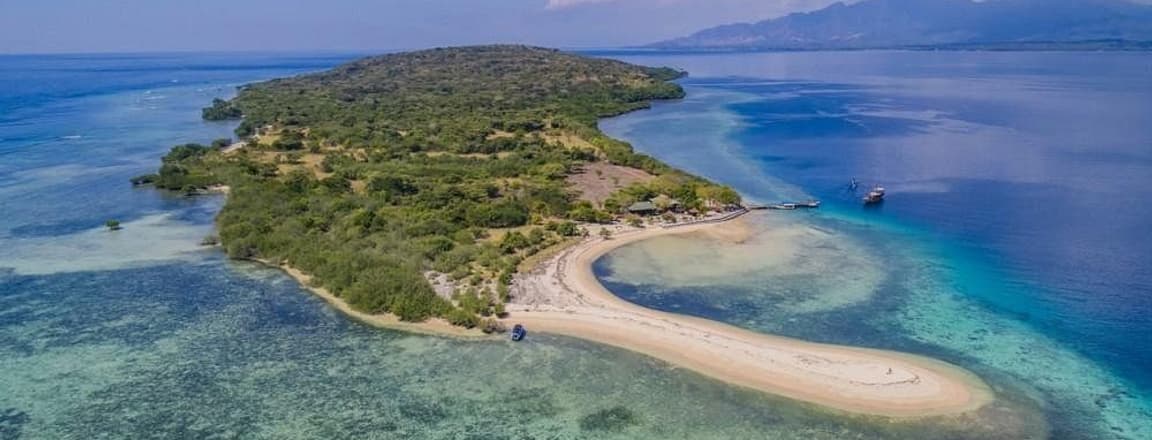
Many travellers book a snorkelling tour in Bali expecting crystal-clear waters, vibrant coral reefs, and abundant marine life at every spot. However, choosing the wrong destination or visiting during the wrong season can lead to poor visibility and a disappointing experience. Snorkelling in Bali can look completely different from one beach to another, with some spots offering calm, shallow reefs for beginners while others are known for sea turtles, manta rays, or famous shipwrecks. Whether you're planning your trip yourself or exploring Bali adventure tour packages, this guide will help you choose the right snorkelling spot, understand costs, pick the best season, and enjoy a safe and memorable underwater experience.
Why Snorkelling in Bali Feels So Special
Snorkelling is one of the most popular activities in Bali because it is simple, accessible, and visually rich. You don’t need deep-diving skills, and many reefs are just a short swim or boat ride away.
Some of Bali’s clearest tropical waters can be found around Menjangan Island, Crystal Bay, and sheltered east coast areas like Amed. These places offer some of the most rewarding underwater visibility on the island.
You may see:
- Colourful coral gardens just a few meters below the surface
- Schools of tropical reef fish
- Sea turtles in calm areas, depending on location and conditions
- Manta rays near Nusa Penida (sightings are seasonal and not guaranteed)
- The famous USAT Liberty shipwreck in Tulamben
Bali's water stays warm throughout the year, usually between 27°C and 30°C, but visibility and surface conditions change depending on wind, rain, and currents. The dry season (April to October) is generally best for clear underwater views. However, visibility and sea conditions can change depending on wind, rain, and season.
Top Snorkelling Spot in Bali
Each snorkelling spot in Bali offers a completely different experience. Some are calm and beginner-friendly, while others feel more adventurous with deeper waters and stronger ocean energy. This variety is what makes snorkelling here so exciting. If you are exploring Bali tour packages, these locations are often the highlight of island itineraries.
1. Amed – Best All-Round Snorkelling Experience
Amed feels like a slow-moving coastal escape where the ocean is always within reach. There is no rush here, just calm water and simple beach access. Jemeluk Bay, one of Amed's most popular entry points, is a good example of this, with vibrant coral just a short swim from shore. The reef starts surprisingly close to shore, which makes it easy even for beginners. Early mornings feel especially peaceful with soft waves and clear water. It is one of those places where snorkelling feels natural, not planned. You can often walk in and start exploring, especially during calm tide conditions.
- Best for: Beginners, Couples, Slow travellers
- Marine life: Parrotfish, Clownfish, Angelfish, and reef fish species. Occasional reef sharks may be reported in deeper areas (not common near shore)
2. Blue Lagoon (Padang Bai) – Best for Beginners
Blue Lagoon is small, calm, and surprisingly full of life just below the surface. The water stays protected from strong waves, which makes it feel safe even for first-timers. You don’t have to swim far before you start seeing fish around you. It feels like an easy entry point into Bali’s underwater world. Many travellers choose it for their very first snorkelling attempt. The experience is short, simple, and rewarding.
- Best for: First-time snorkellers, Families, Casual swimmers
- Marine life: Butterflyfish, Angelfish, Moray eels, Reef fish
3. White Sand Beach (Virgin Beach), Padang Bai – Beginner-Friendly with a Better Beach
Just a short distance from Blue Lagoon, White Sand Beach offers similarly calm water with the bonus of a wider, more scenic beach to relax on afterwards. Many travellers pair both spots in a single half-day trip out of Padang Bai, since they're close enough to combine easily.
- Best for: Families, first-time snorkellers, beach days
- Marine life: Reef fish, occasional turtles, calm, shallow coral
4. Nusa Penida – Manta Ray Experience
Nusa Penida is where snorkelling becomes more dramatic and adventurous. The ocean here is deeper, and conditions can change quickly. But on good days, visibility is incredible, and the underwater world feels vast. This is also one of the few places in Bali where manta rays may appear. The experience can be powerful and unforgettable on good days, but ocean conditions are variable. Guided snorkelling is strongly recommended for safety and better chances of spotting marine life.
- Best for: Adventure seekers, Confident snorkellers
- Marine life: Manta rays (seasonal, not guaranteed), Reef fish, Turtles (may be seen depending on conditions)
5. Tulamben – Famous Shipwreck Snorkelling
Tulamben is different from typical snorkelling spots because of its famous USAT Liberty shipwreck just below the surface, which makes it feel like an underwater museum. Coral has grown over time, turning it into a living reef full of marine life. The water is usually calm, especially in the dry season, making it great for exploration and photography. It is also one of the best photo spots in Bali, and guided entry is recommended for first-timers for safety and easy navigation.
- Best for: Photography lovers, Beginner to intermediate snorkellers
- Marine life: Large schools of fish, Reef species, and coral formations
Note: The wreck is easy to access, but caution is needed around sharp coral and occasional currents.
6. Menjangan Island – Best Coral Reefs in Bali
Menjangan Island sits quietly inside West Bali National Park, far from the busy tourist areas. The journey takes longer, but the reward is some of the clearest water in Bali. Coral here is healthier and more colourful than in many other locations. The atmosphere feels untouched and peaceful. It is not crowded, which makes the experience even better. This is one of Bali’s most rewarding snorkelling environments.
- Best for: Nature lovers, Underwater photography
- Marine life: Hard coral formations, Reef fish, Occasional deeper-water species
Note: Entry fees and stricter conservation rules apply, as it is part of West Bali National Park. Travel time is also longer from South Bali, but the reef quality is among the best on the island.
7. Nusa Lembongan – Calm & Family-Friendly Snorkelling
Nusa Lembongan offers a softer and more relaxed ocean experience compared to nearby Nusa Penida. The water here is usually calm, making it comfortable for beginners and families. Boat rides are short, and the island vibe is laid-back. It feels like a balance between adventure and comfort. Many travellers prefer it for an easy day in the water without strong currents. This spot is a must-add in Bali adventure itinerary plans because it is both safe and scenic.
- Best for: Families, Beginners, Couples
- Marine life: Sea turtles (may be seen depending on conditions), Reef fish, Coral gardens
8. Sanur – Quick & Easy Snorkelling Spot
Sanur is one of the simplest places to try snorkelling in Bali. Everything here feels easy and accessible, especially for short visits. You don’t need long boat rides or full-day planning. The water is shallow and close to the beach. While marine life is not as rich as other spots, it still offers a gentle introduction to snorkelling. It is perfect for a quick water experience.
- Best for: Short visits, Absolute beginners
- Marine life: Small reef fish, Light coral patches
9. Nusa Dua – Calm Water for Absolute Beginners
Nusa Dua is one of the few snorkelling spots in South Bali, and it works well precisely because the water here is unusually calm. A long reef break offshore keeps the waves down, which makes it a safe, easy introduction for kids or anyone snorkelling for the very first time. Marine life is lighter here compared to Amed or Nusa Penida, so this is more about comfort than variety.
- Best for: Absolute beginners, kids, short beach day trips
- Marine life: Light coral patches, small reef fish
Which Snorkelling Spot Should You Choose?
- First-time snorkellers → Blue Lagoon, White Sand Beach, Nusa Dua, Sanur
- Best overall experience → Amed
- Adventure + manta rays → Nusa Penida
- Best coral reefs → Menjangan Island
- Families → Nusa Lembongan, Blue Lagoon
- Photography focus → Tulamben, Menjangan
Bali Snorkelling Tours: Half-Day vs Full-Day Options
Half-Day Classic: Blue Lagoon / Padang Bai
Start your morning with an easy trip to one of Bali’s calmest snorkelling spots. Blue Lagoon is known for its sheltered water, short travel time, and beginner-friendly conditions. After a quick boat ride, you’ll spend a relaxed few hours exploring shallow reefs filled with marine life before heading back by early afternoon.
This is also one of the best places to visit in Bali if you want a short and easy ocean experience without a full-day commitment.
- Who it’s for: Beginners, families, and travellers with limited time
- Price: ₹2,500 – ₹4,500 (≈ IDR 470,000 – 850,000) (approximate; varies by inclusions and season)
Tip: Go early in the morning for calmer water and better visibility. Always check what’s included in the package (gear, pickup, and transfers) before booking.
Full-Day Adventure: Nusa Penida / Nusa Lembongan
Start early and head out into the open ocean for a full-day island snorkelling experience. These trips take you across multiple spots with deeper waters, richer marine life, and scenic boat rides between locations. Lunch and breaks are usually included to keep the day comfortable.
Longer time in the water increases the chance of seeing manta rays, turtles, and wide coral ecosystems on good days, but sightings depend on tides, currents, and season they are not guaranteed. Choose experienced operators who brief guests on currents, provide proper flotation, and follow manta-safe viewing rules.
- Who it’s for: Adventure seekers, confident swimmers, and full-day explorers
- Price: ₹5,000 – ₹8,000 (≈ IDR 940,000 – 1,500,000) (approximate, varies by inclusions and season)
Tip: Start early and allow extra time for harbour check-ins and transfers. For Nusa Penida, always choose experienced guides, as ocean conditions can change quickly.
Best Time for Snorkelling in Bali
The best time for snorkelling in Bali depends on the weather, sea conditions, and where you plan to go. While you can snorkel throughout the year, choosing the right season can make a big difference to underwater visibility and your overall experience.
Dry Season (April to October) – Best Conditions
This is widely considered the best time to visit Bali for snorkelling. The ocean is calmer, the water is clearer, and boat trips feel much smoother compared to other months.
- Calm sea conditions most days
- Clear underwater visibility for coral and fish spotting
- Easier and safer boat transfers to offshore islands
- Better lighting for underwater photography
If you want the best experience, go in the morning. The water is usually at its calmest, and popular spots are less crowded. It feels more relaxed and visually clearer at this time of day.
Wet Season & Shoulder Months (November to March)
This is the unpredictable phase of the year. Some days are beautiful and calm, while others can feel rough and cloudy. Plans often depend on daily weather conditions.
- Occasional rain and cloudy skies
- Reduced underwater visibility on certain days
- Stronger waves, especially in open-water areas
- Trips may shift or get cancelled depending on weather
However, not everything is affected equally. Sheltered areas like Amed and Tulamben can still offer decent snorkelling conditions, but even here, the experience depends on wind and rainfall.
Note: This is the “flexible traveller” season. You need loose plans and should check conditions with operators before booking each trip.
How to Reach the Best Snorkelling Spots in Bali
Planning your route can save you hours of travel, especially if you want to visit more than one snorkelling spot. Here are the average travel times from the most common starting points.
- Amed / Tulamben: 2.5–3 hours from Ubud
- Blue Lagoon (Padang Bai): 1.5–2 hours from Ubud
- Nusa Penida: 45–60 minutes by fast boat from Sanur
- Nusa Lembongan: 30–40 minutes by boat
- Menjangan Island: 4–5 hours from South Bali
Note: Travel times can vary depending on traffic, weather, ferry schedules, and pickup location.
Cost of Snorkelling in Bali (2026 Estimates)
| Snorkelling Location | Typical Price (INR) | Typical Price (IDR, approx.) | Notes |
| Blue Lagoon / Amed | ₹2,500 – ₹4,500 | IDR 470,000 – 850,000 | Group half‑day tours; price varies with transfers and gear. |
| Nusa Lembongan | ₹4,000 – ₹7,000 | IDR 750,000 – 1,300,000 | Often full‑day; includes boat transfer and sometimes lunch. |
| Nusa Penida (manta tours) | ₹5,000 – ₹8,000 | IDR 940,000 – 1,500,000 | Full‑day island trips; prices depend on operator and safety/permit fees. |
| Menjangan Island | ₹6,000 – ₹10,000 | IDR 1,130,000 – 1,880,000 | Longer travel and park fees likely; typically full‑day with higher boat costs. |
3-Day Snorkelling Itinerary Idea
If you are planning your Bali itinerary around marine adventures, this 3-day plan covers some of the island's best snorkelling spots. It offers a mix of calm, beginner-friendly reefs and unforgettable open-water experiences.
- Day 1: Blue Lagoon – Easy start in calm, shallow waters, perfect for first-time snorkelling.
- Day 2: Amed snorkelling – Relaxed reef exploration in clear waters, followed by a peaceful coastal sunset.
- Day 3: Nusa Penida – Manta ray trip with open-ocean snorkelling and dramatic marine encounters (conditions permitting).
What to Pack for Snorkelling in Bali
- Snorkel mask (optional if you prefer your own)
- Reef-safe sunscreen
- Swimwear and rash guard
- Waterproof bag
- Reef shoes or sandals
Note: Most operators provide gear, but quality can vary.
Important Snorkelling Safety & Conservation Tips
- Always follow your guide’s instructions
- Do not touch or step on coral reefs
- Avoid snorkelling alone in open water
- Wear a life jacket if you are not a confident swimmer
- Use reef-safe sunscreen
- Respect manta ray viewing guidelines
Final Thoughts
Snorkelling in Bali is much more than another holiday activity. With the right location, season, and preparation, it becomes an unforgettable way to experience the island's underwater world. Choose a snorkelling spot that matches your comfort level, book with Pickyourtrail, and always respect the marine environment while exploring. A little planning goes a long way, and the reward is an experience filled with colourful coral reefs, fascinating marine life, and memories you'll remember long after your Bali trip ends.
FAQs
1. Does Bali have good snorkelling?
Yes, Bali has good snorkelling with colourful coral reefs, tropical fish, sea turtles, and even seasonal manta rays. The experience varies by location, with Amed, Nusa Penida, and Menjangan Island being some of the best choices.
2. Where to snorkel in Bali for the best experience?
The best place to snorkel in Bali depends on what you are looking for. Amed is great overall, Nusa Penida is known for manta rays, and Menjangan Island offers some of the healthiest coral reefs.
3. What are the best snorkelling spots in Bali for beginners?
The best snorkelling spots in Bali for beginners are Blue Lagoon, Nusa Dua, Sanur, and White Sand Beach. These places have calmer water and easy beach access, making them ideal for first-time snorkellers.
4. Is it safe to snorkel in Bali?
Yes, it is safe to snorkel in Bali when you choose suitable locations and follow safety instructions. Beginners should use a life jacket, snorkel with a guide, and avoid rough sea conditions.
5. Is snorkelling in Bali suitable for non-swimmers?
Yes, snorkelling in Bali for non-swimmers is possible at calm spots like Blue Lagoon, Nusa Dua, and Nusa Lembongan. Many tours provide life jackets and guides to help beginners feel comfortable in the water.
6. Can I do snorkelling on my own in Bali?
Yes, you can do snorkelling on your own in Bali at easy shore-entry locations like Amed, Sanur, and Blue Lagoon. However, guided tours are recommended for places like Nusa Penida because currents can change quickly.
7. How much does snorkelling in Bali cost?
The snorkelling in Bali price usually ranges from ₹2,500 to ₹10,000 (approx. IDR 462,500 to IDR 1,850,000) depending on the location, tour type, and inclusions. Half-day trips are generally cheaper, while full-day island tours cost more.
8. Which is the best beach for snorkelling in Bali?
The best beach for snorkelling in Bali for beginners is Blue Lagoon, while Amed is ideal for those looking for better reef diversity. White Sand Beach is a good choice if you want a mix of snorkelling and beach relaxation.
9. Where should I stay in Bali for snorkelling?
The best areas to stay in Bali for snorkelling are Amed, Nusa Lembongan, and Padang Bai because they provide easy access to popular snorkelling spots. These areas also offer a quieter and more relaxed atmosphere.
10. Are Bali snorkelling tours worth booking?
Yes, Bali snorkelling tours are worth booking because they usually include equipment, transfers, and local guides. They are especially useful for first-time visitors and for destinations like Nusa Penida or Menjangan Island.