
- Home
- Attractions
- Japan
- Nara Park, Japan: Sacred Deer, UNESCO Temples, Map, Tickets & Best Time to Visit
Nara Park, Japan: Sacred Deer, UNESCO Temples, Map, Tickets & Best Time to Visit
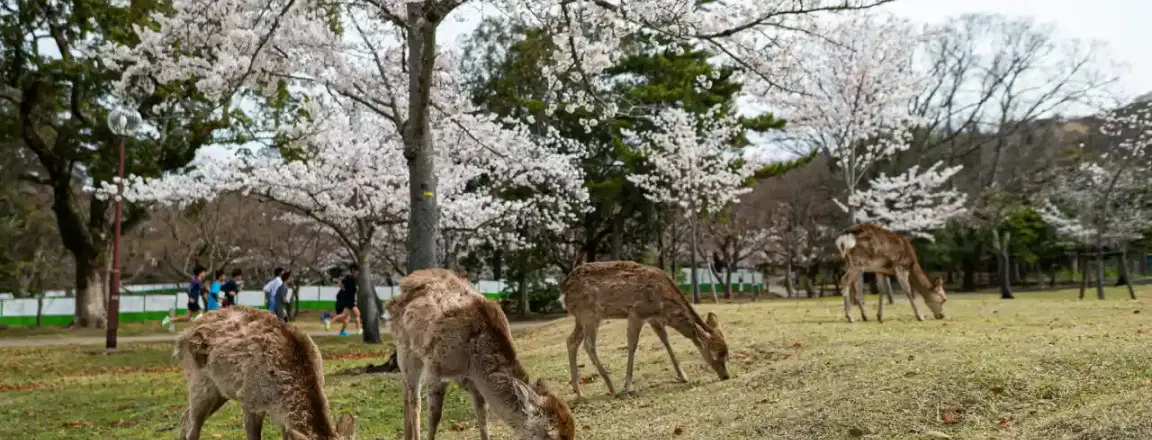
Before Kyoto became Japan’s cultural heart, Nara was the country’s very first permanent capital (710–794 AD). Today, at the centre of this historic city lies Nara Park, one of Japan’s most iconic cultural landscapes. Spread across nearly 660 hectares, Nara Park is not just a public park; it is a living heritage zone where sacred deer roam freely among some of Japan’s most important temples and shrines.
Located in central Nara, Nara Park attracts millions of visitors every year. Yet despite its popularity, it remains peaceful, green, and deeply spiritual. If you are planning a Japan tour package that includes Kyoto or Osaka, Nara Park is one of the easiest and most rewarding day trips in the Kansai region.
Nara Park History: Why Is It So Important?
Nara Park was officially established in 1880. However, its historical significance goes back more than 1,300 years to the Nara period, when the city served as Japan’s imperial capital.
During this time:
- The imperial court strongly promoted Buddhism
- Major temples were constructed to protect the nation spiritually
- Cultural exchange with China and Korea influenced architecture and religion
The park today surrounds several UNESCO World Heritage monuments collectively known as the Historic Monuments of Ancient Nara.
The three most important religious landmarks inside Nara Park are:
- Todai-ji
- Kasuga Taisha
- Kofuku-ji
These monuments represent both Buddhist and Shinto traditions, which coexist peacefully in Japanese culture.
Read more: Top things to do in Nara
Why Are There Deer in Nara Park?
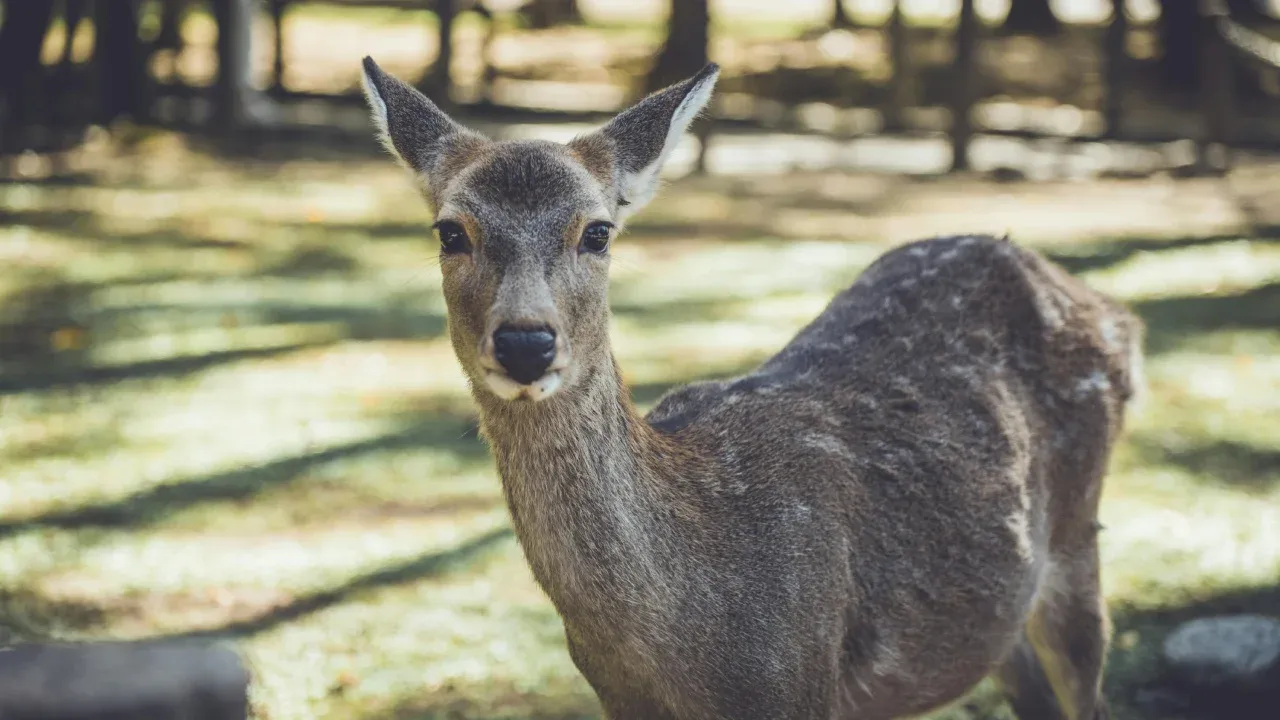
One of the most unique features of Nara Park is its population of over 1,000 free-roaming deer.
According to Shinto belief, deer are sacred messengers of the gods. Legend says that a deity from Kasuga Taisha Shrine arrived in Nara riding a white deer. Because of this story, deer were protected for centuries, and harming one was once punishable by death.
Today:
- The deer are designated as a Natural Monument of Japan
- They roam freely across the park
- Visitors can buy special deer crackers (shika senbei) to feed them
Many deer have learned to bow their heads to visitors before being fed, a behaviour that fascinates children and adults alike.
Read more: Japan temples vs shrines.
What to See Inside Nara Park
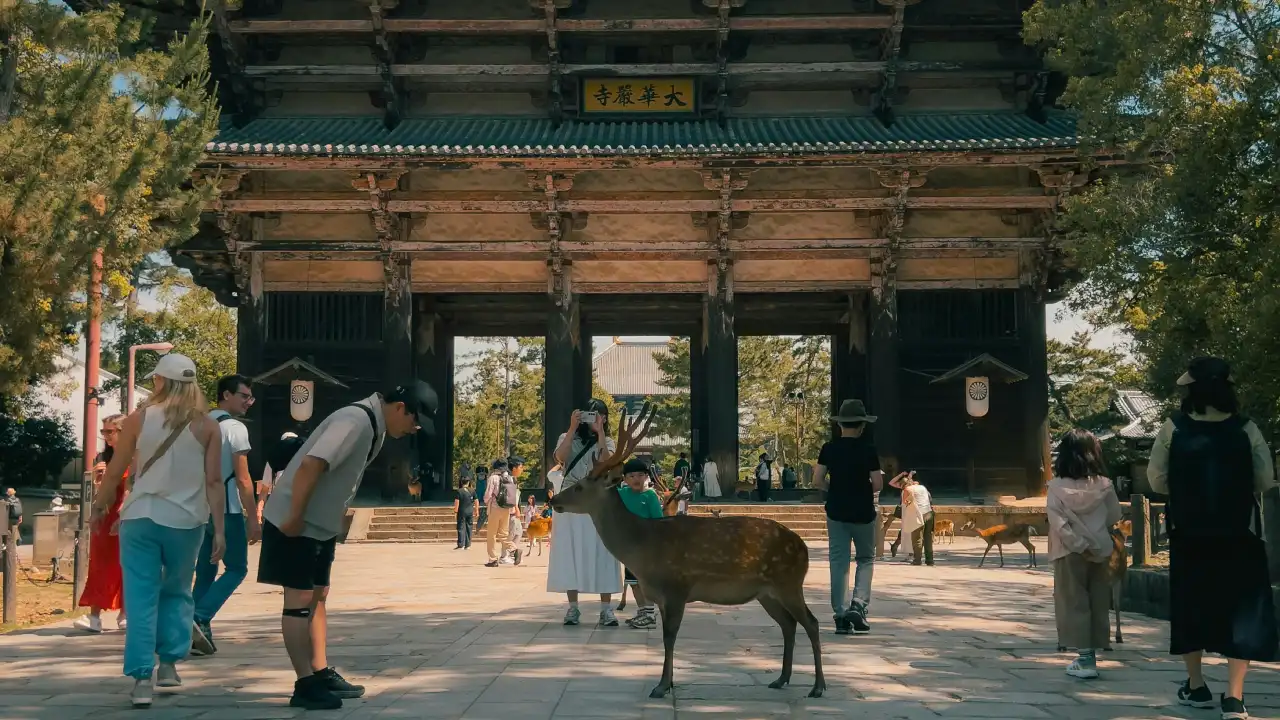
Nara Park is large and open, with walking paths, wooded areas, ponds, and temple complexes. Here are the key attractions you should not miss:
1. Todai-ji Temple & The Great Buddha
Todai-ji is the most famous attraction inside Nara Park. Built in the 8th century, it once served as the head temple of all provincial Buddhist temples in Japan. Its main hall, called Daibutsuden (Great Buddha Hall), is one of the largest wooden buildings in the world.
Inside, you will see:
- A 15-metre-tall bronze Buddha statue (Daibutsu)
- Massive wooden pillars
- Guardian statues at the entrance
- A pillar with a hole is said to bring good luck if you can crawl through it
2. Kasuga Taisha Shrine
Kasuga Taisha is a Shinto shrine established in 768 AD. It is famous for its thousands of lanterns, both stone lanterns lining the pathways and bronze lanterns hanging from shrine buildings.
The shrine complex features:
- Bright vermilion buildings
- Forested walking paths
- Sacred deer wandering freely
- Seasonal festivals when lanterns are lit
3. Kofuku-ji Temple
Kofuku-ji was originally built in Kyoto and later moved to Nara when the capital shifted. It was the family temple of the powerful Fujiwara clan. The five-storey pagoda here is one of the tallest in Japan and an iconic symbol of Nara’s skyline.
4. Nara National Museum
Located within the park area, the museum displays important Buddhist art and sculptures. If you are interested in understanding the deeper religious and artistic context of Nara, this museum adds strong educational value to your visit.
5. Wakakusayama Hill
For those who enjoy nature, Wakakusayama offers panoramic views over Nara city. A short hike up the hill provides a scenic break from temple visits.
Read more: Buddhist temples in Japan
Nara Park Location & Accessibility
Address: 469 Zoshicho, Nara, 630-8501, Japan
Nara Park is centrally located and easily walkable from:
- Kintetsu Nara Station (5–10 minutes)
- JR Nara Station (approximately 20 minutes)
Because everything is concentrated in one area, navigation is simple even for first-time visitors.
Suggested Walking Route (Half-Day Plan)
- Start at Kofuku-ji Temple
- Walk through the central lawns filled with deer
- Visit Todai-ji and the Great Buddha Hall
- Continue towards Kasuga Taisha Shrine
- End near Sarusawa Pond or local shopping streets
Recommended duration: 3–5 hours
If you prefer a slower pace or photography stops, allocate a full day.
Nara Park Entrance Fee & Temple Tickets
- Entry to Nara Park: Free
- Todai-ji Temple: approx. ¥800 (around ₹450)
- Kasuga Taisha inner areas: approx. ¥500 (around ₹280)
- Museum and special halls: separate ticketed entry
*INR values are approximate and may vary based on exchange rates.
Nara Park Opening Hours
- Nara Park: Open 24 hours
- Temples and shrines: Typically 8:00 AM – 5:00 PM
Last entry is usually 30 minutes before closing time.
Best Time to Visit Nara Park
Best Seasons
- Spring (March–April): Cherry blossoms create a pink canopy across parts of the park.
- Autumn (November): Red and orange maple leaves enhance the temple landscapes.
- Winter: Fewer tourists and a peaceful atmosphere.
- Summer: Lush greenery, but temperatures can be high and humid.
Best Time of Day
- Early morning (before 9:30 AM) for fewer crowds.
- Late afternoon for softer lighting and calmer deer behaviour.
Weekends and Japanese public holidays can be busy.
Also read: Best time to visit Japan
How to Reach Nara Park

Nara Park is one of the easiest destinations to access in the Kansai region. Whether you're coming from Kyoto, Osaka, or even Tokyo, the Japanese transport system is simple, efficient, and tourist-friendly.
Kyoto to Nara Park
JR Nara Line (Fast & Covered by JR Pass)
- Duration: 45–50 minutes
- Cost: Approx. ¥720(approx ₹420)
- Departure: Kyoto Station → JR Nara Station
This is ideal if you are using a Japan Rail Pass.
Osaka to Nara Park
Kintetsu Nara Line (Most Convenient)
- Duration: 35–40 minutes
- Departure: Osaka-Namba Station → Kintetsu Nara Station
This is the fastest and most popular route.
Tokyo to Nara Park
If you’re travelling from Tokyo:
- Take the Shinkansen (bullet train) from Tokyo to Kyoto (approx. 2.5 hours).
- Transfer to either the JR or Kintetsu line to Nara (35–50 minutes).
Total travel time: Around 3.5–4 hours.
Food & Local Experiences Near Nara Park
After exploring the temples, try local Nara specialities:
- Kakinoha sushi (wrapped in persimmon leaves)
- Matcha sweets and traditional Japanese desserts
- Udon and soba noodles
- Mochi pounding demonstrations in nearby shopping streets
Many small, family-run restaurants near Kintetsu Nara Station offer authentic regional cuisine.
Recommended Restaurants Near Nara Park
1. Edogawa Naramachi: A refined Japanese restaurant known for grilled eel (unagi) and traditional set meals.
2. Kakinoha Sushi Hiraso Nara: One of the best places to try authentic kakinoha sushi. Perfect for a quick but culturally rich meal.
3. Maguro Koya: A small, family-run restaurant famous for fresh tuna dishes. Highly rated and popular among locals, so reservations are recommended.
4. Mizuya Chaya: Located inside Nara Park near Kasuga Taisha. Serves light traditional meals such as udon and sweet rice dumplings in a historic tea-house setting.
5. Nakatanidou: Famous for its energetic mochi-pounding demonstrations. A must-visit for fresh yomogi (mugwort) mochi near Kintetsu Nara Station.
6. Cafe Wakakusa: A relaxed café offering Japanese curry, desserts, and coffee. Ideal for families and casual breaks.
Things Most Travellers Don’t Know About Nara Park
- The deer have specific feeding zones; vendors are licensed.
- During certain seasons, male deer antlers are trimmed for safety.
- Early morning mist can create dramatic photography conditions.
- The park transitions beautifully between Buddhist temple architecture and Shinto shrine forest paths.
- Nara was the first city in Japan to implement a structured grid-based capital design inspired by Chinese cities.
Things to Know Before Visiting
- Keep maps and papers secure, as deer may chew on them.
- Do not feed deer outside crackers.
- Respect temple rules regarding photography.
- Wear comfortable shoes because you will have to walk a lot.
- Carry water during the summer months.
Final Thoughts: Visiting Nara Park
Nara Park is not just a tourist attraction; it is where Japan’s early political, religious, and architectural identity was formed. For travellers building a culturally rich Japan itinerary, Nara Park provides historical depth, visual beauty, and a uniquely Japanese experience, all within a single, walkable area. If Kyoto represents refinement and Osaka represents modern vibrancy, Nara Park represents Japan’s spiritual beginnings.
FAQs
1. Where is Nara Park located?
Nara Park is located in central Nara City in Nara Prefecture, Japan. It is easily accessible from Kyoto and Osaka by train. Major temples are within walking distance of the main stations.
2. Why is Nara Park famous?
Nara Park is famous for its sacred deer and UNESCO World Heritage temples. It combines wildlife, religion, and history in one location. Few places in the world offer this combination.
3. Is Nara Park entry free?
Yes, entry to Nara Park is free. However, individual temples inside the park charge entrance fees. Visitors can freely explore the open park grounds.
4. How many deer are there in Nara Park?
Over 1,000 deer live in Nara Park. They are protected as a Natural Monument of Japan. Visitors can purchase special crackers to feed them.
5. How long should I spend at Nara Park?
Most visitors spend 3–5 hours exploring. If you visit multiple temples and hike nearby hills, a full day is ideal. It works well as a half-day trip from Kyoto or Osaka.
6. Can I visit Nara Park as a day trip from Kyoto?
Yes, Nara Park is around 45–50 minutes from Kyoto by train. It is one of the most popular day trips in the Kansai region. Many travellers combine it with Osaka.
7. What is the best time to visit Nara Park?
Spring and autumn are the most scenic seasons. Early mornings and late afternoons are less crowded. Winter offers the quietest experience.
8. Are the deer in Nara Park safe?
Yes, the deer are generally gentle and accustomed to people. However, they are wild animals and should be treated with respect. Avoid teasing or feeding them anything other than approved crackers.
9. What temples are inside Nara Park?
Major landmarks include Todai-ji Temple, Kasuga Taisha Shrine, and Kofuku-ji Temple. These are part of a UNESCO World Heritage listing. Each represents a different aspect of Japanese religious history.
10. Is Nara Park worth visiting?
Yes, Nara Park is absolutely worth visiting. It offers a rare mix of wildlife, history, architecture, and culture. It remains one of Japan’s most memorable and educational destinations.