
Japan Rail Pass vs Regional Passes – Which Saves More?
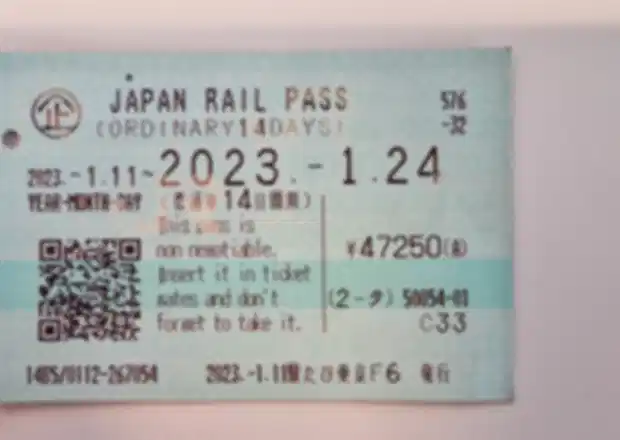
Japan Rail Pass vs Regional Passes is one of the most important comparisons travellers do while planning their trip to Japan. With the country’s world-class rail network, choosing the right pass can shape both your budget and experience. From high-speed Shinkansen rides between major cities to relaxed regional journeys through cultural towns and scenic landscapes, each option serves a different travel style. This Japan Rail Pass vs Regional Pass guide will help you to understand what each pass offers, how much they cost, and their advantages and limitations.
What Is the Japan Rail Pass (JR Pass)?
What is Japan Railway Pass
The Japan Rail Pass, commonly called the JR Pass, is a nationwide rail pass designed exclusively for foreign tourists. It allows unlimited travel on most trains operated by the Japan Railways Group.
What the JR Pass Covers
- This includes Japan Shinkansen bullet trains except Nozomi and Mizuho services.
- Limited express trains, rapid trains, and local JR trains across Japan.
- Selected JR buses and ferry routes
The pass is available for 7, 14, or 21 consecutive days and can be used as many times as you like during its validity. This JR Pass is popular among travellers visiting multiple attractions in Japan, such as Tokyo, Kyoto, Osaka, Hiroshima, and Hakone, within a short span of time.
Japan Rail Pass Cost Breakdown (Updated 2026)
| JR Pass Duration | Approximate Cost (INR) | Best For |
| 7 Days (Ordinary) | ₹30,000–₹32,000 | Fast-paced multi-city trips |
| 14 Days | ₹50,000–₹52,000 | Cross-region travel |
| 21 Days | ₹65,000+ | Long nationwide trips |
How to Choose the Right JR Pass for Your Japan Itinerary
Choosing the right JR Pass depends on three main factors: distance, duration, and frequency of travel.
- If your 7-day Japan itinerary includes long-distance routes like Tokyo to Kyoto or Tokyo to Hiroshima, within a single trip, the JR Pass usually makes sense.
- Long-distance travel quickly adds up when buying individual tickets.
- The duration also matters. A 7-day pass works best for fast-paced itineraries, while 14 or 21-day passes suit longer multi-city journeys.
- The Japan Rail Pass is ideal when trains are your primary mode of transport rather than occasional use.
- Budget and flexibility are equally important. The Japan Rail Pass has a fixed cost but offers freedom to change plans without worrying about ticket prices.
Advantages of the Japan Rail Pass
- The biggest advantage of the JR Pass is its wide coverage. It allows travellers to move freely between major cities and regions using Japan’s famous rail system.
- Seat reservations are free, which is a huge benefit during busy seasons like the cherry blossom in Japan and the autumn foliage periods.
- The pass also simplifies budgeting since transport costs are fixed upfront.
Is the Japan Rail Pass Still Worth It After the 2023 Price Increase?
This is the most important question in 2026. Let’s calculate a common 7-day route:
Example: Tokyo → Kyoto → Hiroshima → Tokyo
| Route | Approx Cost (INR) |
| Tokyo → Kyoto | ₹8,000 |
| Kyoto → Hiroshima | ₹10,000 |
| Hiroshima → Tokyo | ₹12,000 |
| Local JR travel | ₹3,000 |
| Total | ₹33,000 |
A 7-day JR Pass costs approx ₹31,000. In this case, the JR Pass still makes sense.
Example: Tokyo → Kyoto → Osaka (Return)
| Route | Approx Cost |
| Tokyo → Kyoto | ₹8,000 |
| Kyoto → Osaka | ₹1,500 |
| Osaka → Tokyo | ₹8,000 |
| Local travel | ₹2,000 |
| Total | ₹19,500–₹21,000 |
Here, the 7-day Japan Rail Pass at ₹31,000 is NOT worth it.
Break-Even Rule (2026)
The JR Pass is worth it only if:
- You cover long distances (Tokyo–Hiroshima level)
- You take 2–3 Shinkansen rides
- You move cities every 1–2 days
What Is a Regional JR Pass?
what is japan regional pass
Regional Passes are rail passes that cover specific areas of Japan instead of the entire country. They are offered by different JR companies and are designed for travellers who plan to explore one region in depth.
These passes allow unlimited travel on JR trains within the selected region for a fixed number of days. Coverage varies by pass, and some include limited Shinkansen routes while others focus on local and rapid trains.
Regional Passes are ideal for travellers who prefer slow travel and deeper exploration rather than long-distance hopping.
Types of JR Regional Passes in Japan
There are more than 20 types of JR Regional Passes available across Japan. These passes are broadly categorised under JR Central, JR West, JR Shikoku, JR Kyushu, and JR Hokkaido. Each pass is designed to help travellers explore a specific region in depth. Below are some of the most popular JR Regional Passes used by tourists, along with their key highlights:
- Hokkaido Rail Pass: Discover the raw beauty of Japan’s northernmost island with the Hokkaido Rail Pass, which provides access to attractive cities, large national parks, flower farms, and dramatic seasonal scenery.
- JR East Pass (including Southern Hokkaido): Connects places in Tokyo with the scenic Tohoku region and southern Hokkaido, making it ideal for travellers interested in historic temples, traditional villages, coastal towns, and mountain scenery.
- JR East Nagano and Niigata Pass: A great choice for winter sports enthusiasts and nature lovers, offering convenient access to popular ski resorts, alpine towns, and serene countryside views.
- JR West Kansai Area Pass: Perfect for exploring western Japan’s cultural heartland, covering cities like Kyoto, Osaka, Nara, Kobe, and Hiroshima, with easy access to heritage sites, vibrant urban centres, and tranquil natural spots.
- JR Kyushu Pass: Designed for travel across southern Japan, this pass highlights Kyushu’s volcanic landscapes, renowned hot spring towns, historic castles, coastal routes, and rich local food culture.
Regional JR Pass Prices: Cost Comparison by Region
Regional Passes are significantly cheaper than the nationwide JR Pass. Here is the cost comparison by region:
| Pass | Duration | Approx Cost (INR) |
| Kansai Area Pass | 3 Days | ₹6,000–₹7,000 |
| JR Kyushu Pass | 5 Days | ₹12,000–₹14,000 |
| JR East Pass | 5 Days | ₹18,000–₹20,000 |
Regional passes often cost 60–75% less than a nationwide JR Pass.
Hidden Limitations of Japan Rail Pass & Regional Passes
Japan Rail Pass
- Does NOT cover Nozomi & Mizuho (fastest Shinkansen)
- Some private railways excluded
- City subways not included
Regional Passes
- Strict geographic boundaries
- Some scenic trains excluded
- Airport transfers may require extra tickets
Common Limitation
- City subways and private buses are usually not covered
- IC cards (Suica/PASMO) are still essential
Important:
IC cards like Suica or PASMO are still required for:
- Tokyo Metro
- Osaka Metro
- Private railways
- City buses
Check out: Japanese transportation
Japan Rail Pass vs Regional Passes: Which one is better for Popular Itineraries
Japan Rail Pass vs Regional Passes
- Tokyo–Kyoto–Osaka–Hiroshima (7–10 days): JR Pass is usually worth it
- Osaka–Kyoto–Nara–Kobe (5–7 days): Kansai Regional Pass saves more
- Kyushu travel (Fukuoka, Beppu, Kagoshima): JR Kyushu Pass is better
- Hokkaido with limited train use: Regional pass + car rental works best
Slow travellers, café hoppers, and countryside explorers benefit more from regional passes. Families often prefer the simplicity of one nationwide pass, while solo travellers and couples enjoy regional flexibility.
Who Should Avoid the JR Pass?
The JR Pass is NOT ideal if:
- You are staying mainly in Tokyo
- You prefer slow travel in one region
- You are using flights between cities
- Your total Shinkansen cost is under ₹25,000
Money-Saving Tips for Using Japan Rail Passes
- Calculate the individual ticket cost before buying.
- Use a Japan Rail Pass calculator for break-even comparison.
- Reserve seats early during cherry blossom season.
- Combine a rail pass with IC cards for city transport.
- Check route maps carefully to avoid private railway surprises.
Final Thoughts: Japan Rail Pass vs Regional Passes
Choosing between the Japan Rail Pass and Regional Passes is one of the most important planning steps for a Japan trip. Fast-paced routes like Tokyo–Kyoto–Hiroshima suit the JR Pass well. Shinkansen travel feels smooth and predictable on such itineraries. Regional passes work better for Kansai or Kyushu trips. They reduce costs and support slower travel. Smaller towns become easier to explore. The right pass depends on itinerary depth, not total distance. If you are looking to plan a seamless Japan holiday with transport, stays, and experiences covered, explore curated Japan Tour packages from Pickyourtrail.
FAQs
The JR Pass offers nationwide unlimited travel on JR trains across Japan, making it ideal for multi-city itineraries. Regional passes cover specific areas only and are better suited for focused travel within one region.
Yes, regional Japan Rail passes are worth it if your travel is limited to one area. They are cheaper than the nationwide JR Pass and often provide excellent value for short or slow-paced trips.
Japanese rail passes include the nationwide Japan Rail Pass and various Regional JR Passes, such as the Kansai Area Pass, JR East Pass, JR Kyushu Pass, and JR Hokkaido Pass, each designed for specific regions.
A Japan Rail Pass is worth it if you plan long-distance travel between multiple cities within a short time. It offers convenience, flexibility, and potential savings compared to buying individual tickets.
Yes, but buying it online before arrival is usually cheaper and more convenient.
Some Regional Passes include limited Shinkansen routes, but coverage varies by region.
Regional Passes are ccheaper butheaper, but only suitable for region-specific travel.
Most city subways and buses are not covered. Separate tickets or IC cards are required.

Recommended articles for you












Discover Packages



















Packages By Departure City
Packages By Duration

Need help in planning?
Talk to our Travel Experts