
Japanese Art: 18 Traditional Arts You Must Experience in Japan
Japanese art reflects centuries of craftsmanship, cultural practices, performance and artistic expression. From the precision of shodo calligraphy and the simplicity of sumi-e painting to the storytelling of Noh theatre and the philosophy of kintsugi, each tradition offers a different perspective on Japanese culture. Whether you enjoy traditional painting, handmade crafts, music, or performing arts, exploring Japanese art offers a deeper understanding of the country’s culture.
This guide explores 18 traditional Japanese art forms, cultural practices, crafts and artistic traditions, including where to experience them, how much activities may cost and what travellers can expect.
What Are the Traditional Arts of Japan?
Traditional Japanese arts encompass a wide range of cultural expressions, from classical theatre and ceremonial practices to painting, calligraphy and handmade crafts. Some are established performing disciplines, while others are artistic techniques, living traditions or recurring subjects in Japanese artwork.
Japanese Art or Tradition | Category | Best for | Where to experience it |
| Noh Theatre | Performing art | Theatre and culture lovers | Kyoto, Tokyo |
| Kabuki | Performing art | First-time visitors and theatre lovers | Tokyo, Kyoto |
| Bunraku | Performing art | Storytelling and traditional theatre enthusiasts | Osaka |
| Tea Ceremony (Chanoyu) | Cultural practice | Culture and mindfulness experiences | Kyoto, Tokyo |
| Kyogen | Performing art | Visitors interested in traditional Japanese comedy | Kyoto, Tokyo |
| Taiko Drumming | Performing art | Families, groups and interactive experiences | Kyoto, Tokyo, Osaka |
| Ikebana | Cultural and artistic practice | Nature and creative experiences | Kyoto, Tokyo |
| Shodo | Visual art and calligraphy | Calligraphy and culture enthusiasts | Kyoto, Tokyo, Yokohama |
| Sumi-e | Visual art | Art lovers and creative travellers | Kyoto, Tokyo |
| Nihonga | Visual art | Traditional painting enthusiasts | Kyoto, Tokyo |
| Ukiyo-e | Visual art and printmaking | Art and history lovers | Tokyo, Nagano |
| Origami | Traditional craft | Families and beginners | Tokyo, Kyoto |
| Kintsugi | Traditional craft | Creative travellers and craft enthusiasts | Kyoto, Tokyo |
| Washi Paper Making | Traditional craft | Families and craft lovers | Kyoto, Tokyo, Kochi, Fukui |
| Bonsai | Horticultural art | Nature and gardening enthusiasts | Omiya, near Tokyo |
| Ceramics, Lacquerware and Textiles | Traditional crafts | Shoppers and collectors | Kyoto and across Japan |
| Kōdō (Incense Appreciation) | Cultural practice | Culture lovers and visitors seeking peaceful experiences | Kyoto, Tokyo, Aichi |
| Koi Fish Motifs in Japanese Art | Artistic subject and cultural symbol | Art lovers interested in Japanese symbolism | Museums, galleries, gardens and artisan workshops across Japan |
Traditional Japanese Art Experiences: Cost Comparison
The cost of experiencing traditional Japanese arts in Japan depends on the activity, venue, materials and level of instruction. Simple craft workshops and museum visits are generally more affordable than specialised workshops and premium theatre performances.
Budget | Experiences to Consider | Indicative Cost |
| Budget-friendly | Origami, ukiyo-e museum visits, basic bonsai attractions | ¥100–¥3,000 (approximately ₹61–₹1,830) |
| Mid-range | Shodo, sumi-e, ikebana and introductory craft workshops | ¥3,000–¥6,000 (approximately ₹1,830–₹3,660) |
| Premium | Advanced kintsugi workshops, selected Noh performances and specialised cultural experiences | Above ¥6,000 (approximately ₹3,660+) |
Planning tip: These are indicative budget bands rather than fixed price categories.
Japanese Tea Ceremony (Chanoyu): History, Meaning & Cultural Significance
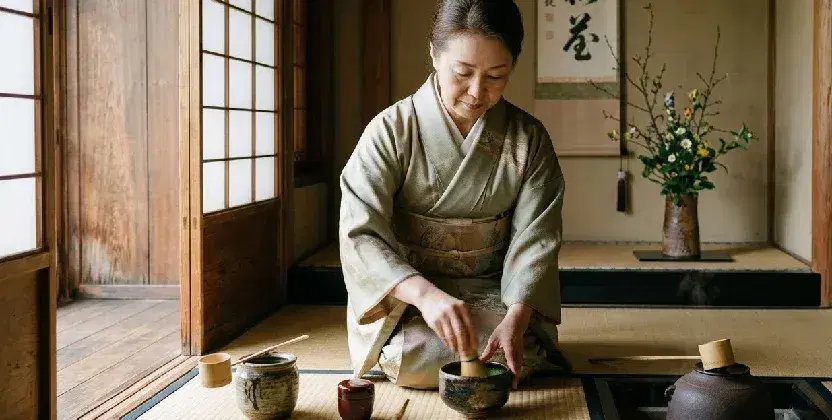
The Japanese tea ceremony, known as Chanoyu, is a traditional ritual of preparing and serving matcha (powdered green tea). Also called Chado or Sado, meaning “The Way of Tea”, it reflects Japanese values of mindfulness, hospitality and simplicity. From whisking matcha to serving it in a carefully selected tea bowl, every detail contributes to a calm and immersive cultural experience.
Best Tea Ceremony Experiences in Kyoto
Camellia Tea Ceremony
Camellia offers shared and private tea ceremony experiences at locations around Kyoto, including Higashiyama and Ryoan-ji. Pricing may vary by venue, season and experience type.
- Shared tea ceremony: Check the current rate for your selected date.
- Private tea ceremony: Rates depend on the venue and booking option.
- Kimono rental: Available for an additional fee at selected venues.
- Duration: Approximately 45 minutes.
- Sessions: Availability varies by location and booking schedule.
October is a popular period for autumn foliage in Kyoto, so check the applicable seasonal prices and reserve in advance.
MAIKOYA Kyoto
MAIKOYA combines Japanese tea ceremony experiences with cultural activities, including kimono experiences. It is an option for visitors who want to learn about tea preparation and traditional Japanese customs in a guided setting.
- Kimono and tea ceremony: Check the current starting price when booking.
- Private tea ceremony with kimono: Pricing depends on the selected package.
- Duration: Approximately 90 minutes for some combined experiences.
Tea Ceremony Ju-An at Jotoku-ji Temple
Tea Ceremony Ju-An offers a temple-based tea ceremony experience at Jotoku-ji Temple in Kyoto. Visitors can choose between a shared session and a private booking, depending on their preference and group size.
- Group tea ceremony: ¥4,500 (approximately ₹2,700) per adult.
- Private tea ceremony: ¥50,000 (approximately ₹30,000) for a group of up to four adults and four children.
- Booking options: Group sessions are priced per adult, while the private experience is charged at a fixed group rate.
The group option is suitable for individual travellers and smaller parties who are happy to share the experience with other guests. The private option offers a dedicated session for a family or group within the stated capacity.
Japanese Tea Ceremony Etiquette for First-Time Visitors
- Remove your shoes before entering a tatami tea room if the venue requires it.
- Bow politely when greeting the host and follow their instructions.
- Avoid strong perfumes that may interfere with the aromas of the tea and incense.
- Sit in the traditional seiza position if requested. Some venues offer chairs or alternative seating.
- Follow the host's guidance on handling and drinking from the tea bowl, as customs may vary.
- Listen to the host's explanations before attempting traditional gestures or using tea utensils.
For a deeper cultural experience, add a tea ceremony to your list of things to do in Kyoto, alongside visits to historic temples and traditional neighbourhoods.
Noh Theatre in Japan: History, Meaning & Traditional Performance
Noh is one of the oldest surviving forms of classical theatre in Japan, recognised for its slow, graceful movements, symbolic storytelling, masks, elaborate costumes and spiritual themes. Developed from earlier performing traditions, Noh became closely associated with samurai and aristocratic culture and continues to be performed across Japan today.
A traditional programme may combine Noh and Kyogen, a shorter and more comedic form of Japanese theatre. For first-time visitors, venues offering English introductions or subtitles can make the symbolism and story easier to follow.
Where to Watch Noh Theatre in Japan
Kyoto Kanze Noh Theatre
Kyoto Kanze Noh Theatre is a major venue for traditional Noh performances. Its ENTER NOH programme introduces international visitors to this classical Japanese art through an English introduction and captions during the performance.
Indicative ENTER NOH ticket prices for the specified 2026 programme:
Ticket Type | Price |
| A seat | ¥13,000 (approximately ₹7,970) |
| B seat | ¥11,000 (approximately ₹6,740) |
| Student seat | ¥4,000 (approximately ₹2,450) |
| Backstage tour with an A seat | ¥27,000 (approximately ₹16,550) |
The performance typically lasts around 90–100 minutes. The optional backstage tour offers additional insight into the theatre and its traditions. Prices and availability vary by programme, so check the official Kyoto Kanze Noh Theatre website before booking.
Other Venues for Noh Theatre
Tokyo also offers opportunities to watch Noh and Kyogen performances. Ticket prices, seating categories and English-language support vary by venue and programme.
Venue | Location | Indicative Ticket Prices | What to Expect |
| National Noh Theatre | Tokyo | ¥2,500–¥5,800 (approximately ₹1,530–₹3,555) for listed categories | Noh and Kyogen performances; selected shows offer subtitles |
| Kanze Noh Theatre | Tokyo | ¥4,200–¥12,500 (approximately ₹2,575–₹7,660) for listed 2026 performances | Traditional performances associated with the Kanze school |
These prices apply to the specified ticket categories and programmes in the existing guide. They are not standard rates for every performance. Consult the Japan Arts Council and Kanze-kai websites for current schedules, seat availability and booking conditions.
Tips for Watching Noh Theatre in Japan
- Check language support: Look for English introductions or subtitles if you are unfamiliar with Noh.
- Confirm the duration: Full programmes can run considerably longer than individual plays.
- Arrive early: Allow time to find your seat before the performance begins.
- Follow theatre rules: Photography and recording restrictions vary by venue.
- Verify ticket details: Confirm the applicable date, seat category and programme before paying.
If you are visiting the capital, combine a Noh performance with other things to do in Tokyo to explore both traditional Japanese culture and the city's modern attractions.
Kabuki Theatre in Japan: History, Performances & Where to Watch
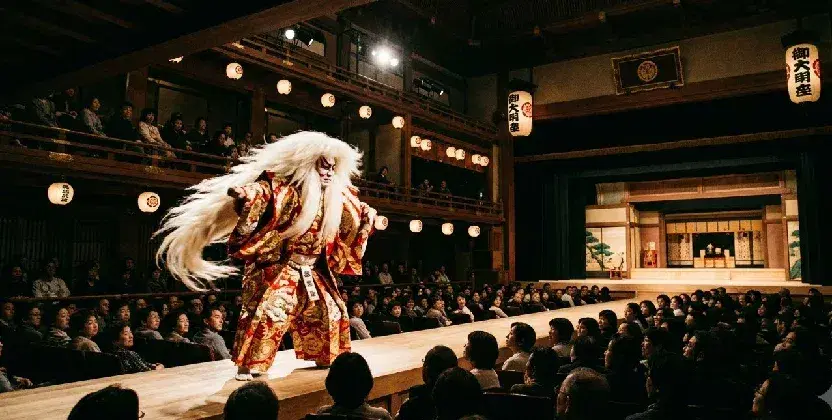
Kabuki is Japan's traditional dance-drama, famous for its colourful costumes, dramatic performances, and elaborate stage effects. This theatre began in the early 17th century, and unlike the refined and aristocratic atmosphere of Noh theatre, Kabuki was popular among merchants and townspeople. After women were banned from performing in the 1600s, all Kabuki roles, including female characters, have been played by male actors.
Best Places to Experience Kabuki Theatre in Japan
Kabukiza Theatre (Tokyo):
It is the most accessible Kabuki venue for international visitors, with regular performances and English caption devices available.
- Full-performance tickets: ¥4,500–¥17,000 (≈ ₹2,760–₹10,420), depending on seat category
- Special seat: ¥17,000 (≈ ₹10,420)
- First-class seat: ¥16,000 (≈ ₹9,810)
- Second-class seats: ¥8,000–¥13,000 (≈ ₹4,900–₹7,970)
- Upper-tier seats: ¥4,500–¥6,000 (≈ ₹2,760–₹3,680)
- Box seat: ¥17,000 (≈ ₹10,420)
Minamiza Theatre (Kyoto): Japan's oldest Kabuki theatre, hosting seasonal Kabuki performances and special productions throughout the year.
Shochikuza Theatre (Osaka): operated by the Shochiku production company, featuring major Kabuki productions and touring performances.
Bunraku Puppet Theatre in Japan: History & Where to Watch
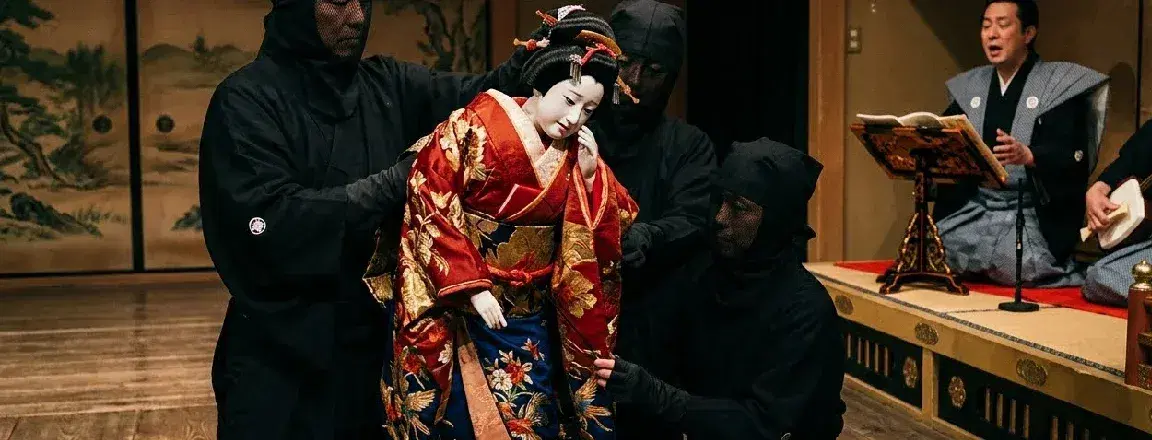
Bunraku is a remarkable traditional Japanese performing art, renowned for its lifelike puppets, skilled puppeteers, and emotional storytelling. It developed in Osaka during the 17th century, where each puppet is operated by three highly trained puppeteers, while a narrator performs all the dialogue and a shamisen musician performs the live music.
Recognised by UNESCO as an Intangible Cultural Heritage, the play often explores themes of love, loyalty, family and sacrifice, making Bunraku engaging even if you do not understand Japanese. It is a must-have cultural experience included in many Osaka tour packages.
- Where to watch: National Bunraku Theatre (Osaka)
- Tickets: From around ¥6,000 (≈ ₹3,680) for first-class seats and from around ¥4,000 (≈ ₹2,450) for second-class seats
Japanese Temple Etiquette: Rules to Know Before You Visit
Japanese temples and Shinto shrines are active places of worship, and visitors should respect local customs while exploring them. Following a Japan etiquette guide can help you understand the basic rules and avoid disturbing worshippers. Customs vary by location, so always follow the instructions displayed at the entrance or provided by staff.
Basic Etiquette at Japanese Temples and Shrines
- Check photography rules: Look for signs before taking photographs. Photography may be restricted inside buildings, near sacred objects or during religious ceremonies.
- Follow entrance instructions: Read notices and follow any directions provided by temple staff or shrine attendants.
- Keep your voice low: Speak quietly, avoid loud conversations and give worshippers space to pray.
- Use purification facilities respectfully: Some Shinto shrines and Buddhist temples have purification fountains. Follow the displayed instructions on whether and how to use them.
- Observe altar customs: If you wish to pray, follow the instructions at the specific temple or shrine rather than assuming the rituals are the same everywhere.
- Remove shoes when required: Some buildings and prayer halls require visitors to remove their shoes. Check for signs or designated shoe-storage areas before entering.
- Respect sacred spaces: Avoid touching religious objects, entering restricted areas or interrupting ceremonies unless visitors are explicitly invited to participate.
Omamori and Goshuin
Visitors can also explore traditional Japanese religious souvenirs and records of their visits. Omamori are protective amulets commonly sold at temples and shrines, while goshuin are calligraphic seals or inscriptions collected in special books as a record of a visit. Availability and collection procedures vary by location, so check with the staff before requesting a goshuin or purchasing an amulet.
Respecting these customs helps visitors appreciate Japan’s spiritual heritage while ensuring that temples and shrines remain peaceful places of worship. Tea ceremony venues may also sell seasonal sweets aligned with cherry blossom or autumn foliage themes.
Traditional Japanese Arts and Crafts You Can Experience in Japan
Beyond theatre and ceremonial traditions, Japan has a rich heritage of visual arts and traditional crafts. These include calligraphy, ink painting, woodblock printing, pottery, lacquerware, textile making and paper crafts. Some techniques can be explored through hands-on workshops, while others are best appreciated in museums, galleries, specialist studios and historic craft districts.
The following sections cover these artistic practices and crafts, including where travellers can experience them, how long activities take and their estimated costs. You can also explore traditional crafts near the top places to visit in Kyoto while planning your sightseeing itinerary.
Ikebana: Traditional Japanese Flower Arrangement
Ikebana is Japan's traditional art of flower arrangement, where every branch, flower and empty space is carefully placed to create balance and harmony. Originating from Buddhist flower offerings in the 7th century, it evolved into a refined art form that celebrates nature, the changing seasons, and the beauty of simplicity.
- Where to try: Kyoto and Tokyo
- Time needed: 1.5–2 hours
- Cost: Around ¥3,000 (₹1,830) to ¥8,000 (₹4,880), depending on the workshop and materials included.
- Best for: Nature lovers, culture enthusiasts and creative travellers
Shodo: Traditional Japanese Calligraphy Art
Shodo is Japan's traditional art of calligraphy, where brush and ink are used to write kanji and kana with precision, balance, and expression. Although it originated from Chinese calligraphy, Shodo developed its own distinctive style in Japan by the 7th century. The three main writing styles are kaisho (block script), gyōsho (semi-cursive), and sōsho (fully cursive), each requiring different levels of skill and brush control.
- Where to try: Kyoto, Tokyo and Yokohama
- Time needed: 1–2 hours
- Cost: Around ¥2,000 (₹1,220) to ¥5,000 (₹3,050)
- Best for: Art lovers and travellers interested in traditional Japanese culture
Sumi-e: Traditional Japanese Ink Painting
Sumi-e is a traditional Japanese ink painting technique that uses black ink, water and brushstrokes to create expressive paintings with minimal detail. Influenced by Zen Buddhism, the art focuses on simplicity and balance, capturing the essence of a subject rather than creating a highly detailed image. Landscapes, bamboo, flowers, birds and other natural subjects are commonly featured in Sumi-e paintings. The technique requires careful control of the brush and ink, making even simple strokes an exercise in patience and concentration.
- Where to try: Kyoto and Tokyo
- Time needed: 1.5–2 hours
- Cost: Around ¥3,000 (₹1,830) to ¥6,000 (₹3,660), depending on the duration and materials included.
- Best for: Art lovers and travellers seeking a peaceful creative experience
Kintsugi: The Japanese Art of Repairing Pottery
Kintsugi is a traditional Japanese craft that repairs broken pottery using lacquer mixed with powdered gold, silver or other materials. Rather than hiding cracks, the technique highlights them, turning imperfections into part of the object's history and character. The practice is closely associated with the Japanese appreciation of imperfection and impermanence. Visitors can experience Kintsugi through hands-on workshops, where they learn basic repair techniques and create a unique piece to take home.
- Where to try: Kyoto and Tokyo
- Time needed: 1.5–3 hours
- Cost: Around ¥4,000 (₹2,440) to ¥10,000 (₹6,100), depending on the workshop, materials and type of pottery used.
- Best for: Craft enthusiasts, couples and culture lovers
Origami: Traditional Japanese Paper Folding Art
Origami is Japan's traditional art of paper folding, where a single sheet of paper is transformed into animals, flowers, and other intricate shapes without cutting or glueing. It began as part of religious ceremonies before becoming a popular pastime as paper became more widely available.
- Where to try: Tokyo and Kyoto
- Time needed: 1–2 hours
- Cost: Around ¥1,000 (₹610) to ¥3,000 (₹1,830)
- Best for: Families, children and travellers looking for an affordable cultural experience
Ukiyo-e: Traditional Japanese Woodblock Prints
Ukiyo-e is a traditional Japanese woodblock-printing art known for its colourful depictions of landscapes, Kabuki actors, beautiful women and scenes from everyday life. Travellers can explore historic Ukiyo-e collections and learn about traditional Japanese printmaking.
- Where to try: Tokyo and Nagano
- Time needed: 1–2 hours for a museum visit; 2–3 hours for a workshop
- Cost: Around ¥1,000 (₹610) to ¥2,000 (₹1,220) for museum entry; workshops cost more.
- Best for: Art lovers, history enthusiasts and culture travellers
Bonsai: The Traditional Japanese Art of Miniature Trees
Bonsai is the Japanese art of growing and shaping miniature trees to reflect the beauty and balance of nature in a small living form. Although the practice originated from earlier Chinese traditions, it was refined in Japan over centuries into a distinctive art that values patience, harmony and careful craftsmanship. Through careful pruning, wiring, and years of patient care, bonsai artists shape each tree into a living work of art.
- Where to try: Omiya Bonsai Village, near Tokyo
- Time needed: 2–3 hours
- Cost: Around ¥100 (₹61) to ¥1,000 (₹610) for basic attractions; workshops from around ¥3,000 (₹1,830)
- Best for: Nature lovers, gardening enthusiasts and photography lovers
Traditional Japanese Ceramics, Lacquerware & Textiles
Japanese ceramics, lacquerware and textiles are among the country's finest traditional crafts, celebrated for their exceptional craftsmanship and timeless beauty. From rustic tea ceremony vessels to delicate porcelain, pottery styles vary by region, while lacquerware is created by applying multiple layers of natural lacquer to produce elegant, durable tableware and decorative objects. Traditional textiles, including handwoven fabrics and finely crafted kimono, showcase intricate dyeing, weaving and embroidery techniques passed down through generations. These crafts reflect Japan's appreciation for quality, simplicity and attention to detail.
- Where to try: Kyoto, particularly Teramachi, Shinkyogoku and Gion
- Time needed: 1–3 hours
- Cost: From around ¥1,000 (₹610) for small crafts; handmade pieces can cost ¥5,000 (₹3,050) to ¥50,000+ (₹30,500+)
- Best for: Shoppers, collectors and travellers looking for authentic Japanese crafts
Nihonga: Traditional Japanese Painting
Nihonga is a traditional Japanese painting style that uses materials such as mineral pigments, natural colours, ink and washi paper. The art form combines classical Japanese techniques with carefully detailed depictions of nature, people and everyday life.
- Where to try: Kyoto and Tokyo
- Time needed: 1.5–3 hours
- Cost: From ¥5,000 (₹3,067) to ¥15,000 (₹9,201)
- Best for: Art lovers and creative travellers
Washi Paper Making: Create Your Own Japanese Paper
Washi is traditional Japanese paper made from plant fibres. A hands-on workshop lets visitors experience the process of forming, decorating and drying their own sheet of paper. Most sessions take around 30–90 minutes, and many allow you to take your creation home.
- Where to try: Kyoto, Tokyo, Kochi and Fukui
- Time needed: 1–1.5 hours
- Cost: From ¥1,100 (₹675) to ¥5,000 (₹3,067)
- Best for: Families, couples and craft enthusiasts
Taiko Drumming: Experience Japan's Traditional Rhythms
Taiko is Japanese traditional drumming known for its powerful rhythms and energetic performances. Travellers can join beginner-friendly workshops to learn basic techniques and play the drums themselves. Kyoto's Taiko Centre offers classes and private experiences for visitors.
- Where to try: Kyoto, Tokyo and Osaka
- Time needed: Around 1 hour
- Cost: From ¥5,000 (₹3,067)
- Best for: Families, groups and travellers who prefer interactive experiences
Kyogen: Japan's Traditional Comic Theatre
Kyogen is a traditional Japanese theatre form known for its humour, expressive movements and everyday characters. It is often performed alongside Noh, providing a lighter and more comedic contrast to Noh's solemn storytelling.
- Where to watch: Kyoto and Tokyo
- Time needed: 30–60 minutes for an individual performance
- Cost: Around ¥3,000 (₹1,840) to ¥8,000 (₹4,907) depending on the programme
- Best for: First-time visitors interested in Japanese performing arts
Kōdō: The Japanese Art of Incense
Kōdō, or the Way of Incense, is a traditional Japanese art of appreciating fragrances. Instead of simply smelling incense, participants learn to identify and “listen to” different fragrances through a series of carefully performed rituals. It is one of Japan's classical arts of refinement alongside tea ceremony and flower arrangement.
- Where to try: Kyoto, Tokyo and Aichi
- Time needed: 1.5–2.5 hours
- Cost: From ¥5,000 (₹3,067) for introductory sessions; private experiences can cost considerably more.
- Best for: Couples, culture enthusiasts and travellers seeking a peaceful experience
Koi Fish Motifs in Japanese Art: Symbolism and Where to See Them
Koi fish are a recurring subject in Japanese art, valued for their symbolism and visual appeal. Often associated with perseverance, strength, prosperity and good fortune, koi appear in a variety of artistic forms, including paintings, woodblock prints, ceramics, textiles, tattoos and decorative screens.
Unlike Noh theatre or shodo calligraphy, koi fish art is not a single formal discipline. Instead, koi motifs appear across different Japanese artistic traditions, reflecting the cultural significance of these ornamental fish.
Where to explore: Travellers can discover koi-inspired artwork in museums, galleries, historic gardens, temples and artisan workshops across Japan. Koi ponds in traditional Japanese gardens also offer opportunities to appreciate the fish as a living cultural symbol.
Exploring these motifs alongside Japanese painting, printmaking and traditional crafts can provide a broader understanding of how nature and symbolism influence the country's artistic heritage.
How to Book Tickets for Traditional Japanese Arts in Japan
Booking requirements depend on the experience. Popular theatre performances and small-group workshops may have limited availability, while museum visits and some introductory activities can be easier to arrange.
- Book popular performances early: Reserve ahead for major Noh and Kabuki programmes, particularly during busy travel periods.
- Use official booking websites: Check the theatre or workshop provider's website for ticket prices, schedules and cancellation conditions.
- Check language support: Confirm whether the experience includes English explanations, subtitles or translated instructions.
- Review what is included: Check whether workshop fees cover materials, refreshments or a finished item to take home.
- Confirm seasonal availability: Special performances and workshops may run only on selected dates.
For help planning cultural activities alongside sightseeing, explore Japan tour packages.
Conclusion: Which Japanese Art Experience Should You Choose?
The best Japanese art experience depends on your interests and travel plans. Choose a tea ceremony, ikebana or Kōdō for a cultural experience rooted in mindfulness and tradition. Explore shodo, sumi-e, nihonga or ukiyo-e to understand Japan's visual arts, or try kintsugi, origami and washi paper making through hands-on workshops. For live performances, Noh, Kabuki, Bunraku and Kyogen offer insights into Japan's storytelling heritage.
Kyoto is a strong choice for tea ceremonies, ikebana and traditional crafts. Tokyo offers major theatre performances, calligraphy experiences and art museums, while Osaka is particularly well suited to Bunraku puppet theatre. If you are interested in traditional craftsmanship, look for ceramics, lacquerware and textiles in specialist shops and workshops.
Rather than attempting to experience every tradition, choose one or two that match your interests and fit your itinerary. Exploring these practices, crafts and artistic subjects will give you a more meaningful understanding of Japanese culture beyond its famous landmarks.
FAQs
1. What are the main types of traditional Japanese arts?
Traditional Japanese arts include performing arts, visual arts, living arts and crafts. Popular examples include Noh, Kabuki, Bunraku, the tea ceremony, ikebana, shodo (calligraphy), sumi-e (ink painting), kintsugi, origami, ukiyo-e, bonsai and washi paper making.
2. What is the oldest surviving traditional Japanese performing art?
Noh is one of Japan’s oldest surviving forms of classical theatre. It features symbolic storytelling, masks, elaborate costumes, controlled movements and spiritual themes. Visitors can watch performances at venues such as Kyoto Kanze Noh Theatre and the National Noh Theatre in Tokyo.
3. Why are traditional Japanese arts important?
Traditional Japanese arts preserve the country’s cultural heritage, craftsmanship and artistic philosophies. They express values such as harmony, mindfulness, simplicity and respect for nature while passing specialised skills from one generation to the next.
4. Where can tourists experience traditional Japanese arts?
Kyoto is known for tea ceremonies, ikebana and traditional craft workshops. Tokyo offers Noh and Kabuki performances, calligraphy and art museums, while Osaka is a major destination for Bunraku puppet theatre. Visitors can also explore bonsai in Omiya, near Tokyo, and washi paper making in regions such as Kochi and Fukui.
5. How much do Japanese art workshops cost?
Japanese art workshop prices vary by activity, duration and materials. Based on the estimates in this guide, origami costs around ¥1,000–¥3,000 (₹610–₹1,830), calligraphy around ¥2,000–¥5,000 (₹1,220–₹3,050), and kintsugi around ¥4,000–¥10,000 (₹2,440–₹6,100). Confirm current prices with the workshop operator before booking.
6. Where can visitors watch Noh, Kabuki and Bunraku?
Visitors can watch Noh at Kyoto Kanze Noh Theatre or the National Noh Theatre in Tokyo. Kabuki is performed at venues such as Kabukiza Theatre in Tokyo and Minamiza Theatre in Kyoto. Osaka’s National Bunraku Theatre is a key venue for traditional Bunraku puppet performances. Check schedules and ticket availability before visiting.
7. Which city is best for experiencing traditional Japanese arts?
Kyoto is an excellent choice for travellers interested in tea ceremonies, traditional crafts, ikebana and cultural workshops. Tokyo is better suited to visitors prioritising major theatre performances and museums, while Osaka is particularly appealing to those interested in Bunraku puppet theatre.
8. What is the difference between Japanese traditional arts and crafts?
Traditional Japanese arts include performing arts such as Noh and Kabuki, as well as visual art forms such as calligraphy and ink painting. Traditional crafts focus on creating objects using specialised techniques, including ceramics, lacquerware, textiles, origami and kintsugi. Some practices overlap artistic and craft traditions.
9. Which Japanese art experiences are best for beginners?
Origami, shodo (calligraphy), sumi-e painting and washi paper making are good starting points for beginners. Tea ceremonies are suitable for travellers interested in Japanese customs, while taiko drumming offers a more energetic, interactive experience. Choose a beginner-friendly workshop and check whether materials are included in the fee.
10. How should visitors behave during traditional performances and cultural workshops?
Arrive on time, follow the venue’s instructions and avoid photography or recording when prohibited. During tea ceremonies, observe the host’s guidance and handle utensils respectfully. At craft workshops, follow the instructor’s directions and check whether you can take your finished work home.
11. Can tourists try Japanese calligraphy in Japan?
Yes. Travellers can join shodo calligraphy workshops in Kyoto, Tokyo and Yokohama. Sessions typically introduce brush handling, ink preparation and basic Japanese characters. Based on this guide’s estimates, workshops cost around ¥2,000–¥5,000 (₹1,220–₹3,050), depending on the duration and materials.
12. Where can visitors try sumi-e painting in Japan?
Sumi-e workshops are available in destinations such as Kyoto and Tokyo. Participants learn to use ink, water and brushstrokes to create expressive images, often featuring bamboo, flowers, birds or landscapes. Sessions generally take 1.5–2 hours and cost around ¥3,000–¥6,000 (₹1,830–₹3,660), based on the estimates in this guide.
13. Can tourists experience kintsugi in Japan?
Yes. Visitors can join kintsugi workshops in Kyoto and Tokyo to learn how broken pottery can be repaired and its cracks highlighted. Workshops typically take 1.5–3 hours and cost around ¥4,000–¥10,000 (₹2,440–₹6,100), depending on the materials and repair technique used.
14. Where can travellers learn to make Japanese washi paper?
Travellers can explore washi paper-making workshops in Kyoto, Tokyo, Kochi and Fukui. These sessions introduce traditional paper-making techniques using plant fibres, and some allow participants to take their creations home. Workshops generally take 1–1.5 hours and cost around ¥1,100–¥5,000 (₹671–₹3,050), according to this guide’s estimates.