
Japan’s Best Seafood Markets: A Complete Guide to Fish Markets in Japan
Japan’s seafood markets are more than trading hubs; they are living theatres of culinary precision, tradition, and seasonality. Before 2018, the iconic Tsukiji Market functioned as the world’s largest Japanese wholesale fish market. Today, that wholesale activity has moved to Toyosu Market, while Tsukiji’s Outer Market remains a vibrant retail and street food destination.
From the thunderous chants of tuna auctioneers at dawn to the clean precision of sashimi knives slicing ruby-red maguro (tuna), visiting seafood markets in Tokyo and across Japan offers an unforgettable cultural experience. Whether you’re planning your trip through our Japan tour packages, exploring a detailed Tokyo travel guide, or crafting a northern food trail via a Hokkaido trip, this Japan seafood season guide will help you experience the best seafood in Japan cities.
Check Out: Japan Travel Guide
Wholesale vs Retail Markets in Japan
Understanding the difference is crucial:
Wholesale Markets (e.g., Toyosu Market)
- Primarily serve licensed buyers and restaurants
- Host early-morning auctions
- Highly regulated access
- Observation decks for tourists
Retail Markets (e.g., Tsukiji Outer Market, Kuromon Market)
- Open to tourists
- Offer ready-to-eat seafood
- Sell fresh fish, snacks, and kitchenware
- Focus on experiential dining
Best Fish Markets in Tokyo
Tsukiji Outer Market: Tokyo’s Most Famous Seafood Market
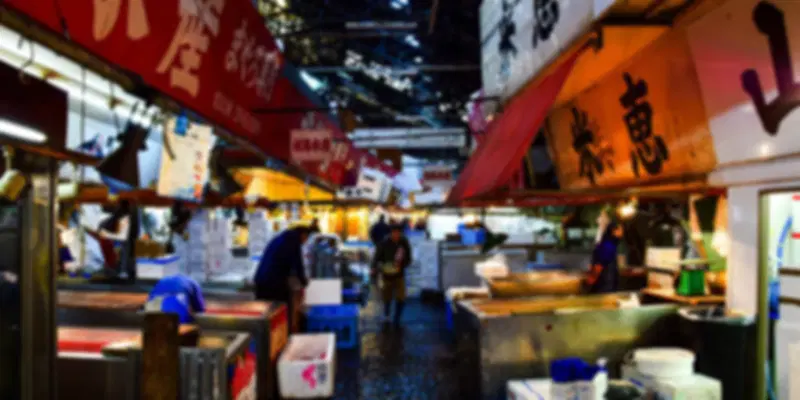
Even after the wholesale relocation in 2018, Tsukiji remains one of the most famous seafood markets in Tokyo. Over 400 shops and restaurants line its narrow alleys, where steam rises from grilled scallops, and vendors display glistening cuts of toro (fatty tuna).
The scent of soy sauce, charcoal smoke, and fresh wasabi fills the air. Sushi counters open as early as 5:00 AM, serving Edomae sushi, the traditional Tokyo style that originated in the Edo period.
- Best for: First-time visitors, authentic atmosphere
- Opening Hours: 5:00 AM – 2:00 PM
- Station: Tsukiji Station (Hibiya Line) or Tsukiji Shijo Station (Oedo Line)
Toyosu Market: Tokyo’s Modern Tuna Auction Hub
Toyosu Market is now Japan’s primary Japanese wholesale fish market, replacing Tsukiji’s wholesale operations in October 2018.
This ultra-modern facility handles approximately 1,600+ tons of seafood daily and hosts the world-famous tuna auction. Watching frozen bluefin tuna lined in neat rows under bright lights feels almost cinematic. At around 5:30 AM, the auction begins. Buyers inspect fish with flashlights, checking fat marbling before bidding in rapid-fire hand signals.
- Best for: Witnessing tuna auctions
- Opening Hours: 5:00 AM – 2:00 PM
- Station: Shijo-mae Station (Yurikamome Line)
Also Read:- Indian Restaurants in Japan
Tsukiji vs Toyosu – What’s the Difference?
| Feature | Tsukiji Outer Market | Toyosu Market |
| Type | Retail market | Japanese wholesale fish market |
| Tuna Auction | No | Yes |
| Atmosphere | Traditional, chaotic, sensory | Modern, clean, structured |
| Food Access | Immediate street food | Restaurants + observation decks |
| Cultural Immersion | High | Moderate |
If you’re debating the Tsukiji vs Toyosu difference, the answer depends on your travel style. Tsukiji is immersive and food-focused; Toyosu is structured and auction-centric!
Best Seafood Markets in Hokkaido
Nijo Market: Sapporo’s Historic Seafood Market
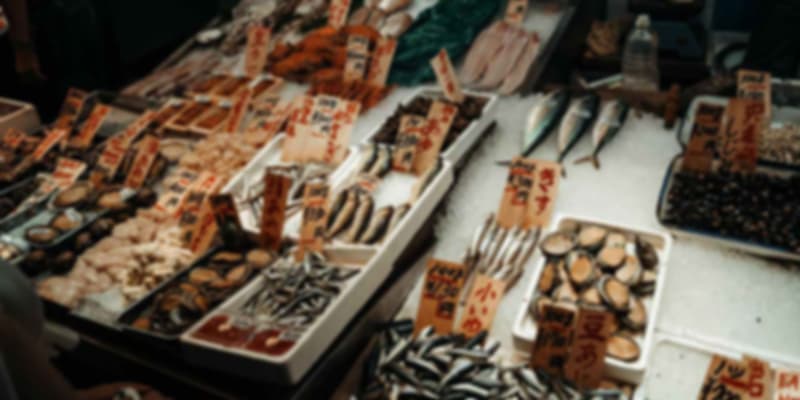
Nestled in downtown Sapporo, Nijo Market packs incredible variety into its 24 shops. The cold waters of the Sea of Okhotsk and the Pacific Ocean yield some of Japan’s most prized seafood, namely king crab, salmon roe and scallops.
- Best for: Hokkaido specialities
- Opening Hours: 7:00 AM – 6:00 PM (shops), 7:00 AM – 3:00 PM (restaurants)
- Station: Odori Station (10-minute walk)
Hakodate Morning Market: Interactive Seafood Experience in Hokkaido
Hakodate Morning Market’s strategic location near the Hakodate Station makes it one of the most accessible Japanese seafood markets. The market’s signature attraction involves fishing and having it prepared immediately.
- Best for: Family-friendly activities, breakfast seafood bowls
- Opening Hours: 6:00 AM – 2:00 PM
- Station: Hakodate Station
Read more: Reasons to visit Japan
Best Regional Seafood Markets in Japan
Kuromon Market: Osaka’s Legendary Street Food Market
Kuromon Market has earned its nickname as “Osaka’s Kitchen”. Unlike the other markets, Kuromon caters specifically to ready-to-eat experiences. The market serves giant king crabs, fresh sea urchin, fatty tuna and seasonal fish.
- Best for: Street food experience, grilled seafood
- Opening Hours: 9:00 AM – 6:00 PM
- Station: Nippombashi Station
Omicho Market: Kanazawa’s Historic Seafood Destination
Omicho Market has anchored Kanazawa’s culinary scene with its distinctive selection of local seafood. The market’s covered arcades protect shoppers from winter snow while showcasing regional seafood specialities.
- Best for: Premium snow crab, local specialities, traditional atmosphere
- Opening Hours: 8:00 AM – 5:00 PM (shops), 8:00 AM – 3:00 PM (restaurants)
- Station: Kanazawa Station
Miyako Fish Market: Authentic Coastal Seafood in Iwate
Miyako Fish Market represents authentic coastal life away from major tourist crowds. Local fishermen bring catches directly, as the market reserves dedicated space for farmer families to sell produce. The market’s restaurants serve kaisen-don and sushi that showcase Tohoku region specialities, including rockfish, sea squirts and seasonal catches.
- Best for: Authentic local experience
- Opening Hours: Early morning hours, typically between 7 AM and late morning
- Station: Miyako Station
Check out: Top Japan food trails
Planning Your Visit to Japanese Fish Markets
- Best Time to Visit Fish Markets in Japan: Japanese seafood markets operate between 5 and 7 AM. Many markets close on Sundays and Wednesdays, though specific closure days vary.
- Japanese Fish Market Etiquette for Visitors: Japanese etiquette discourages eating while walking. Most markets provide standing counters or small seating areas near food stalls.
- Payment Methods and Cash Tips at Japanese Markets: Cash remains king at Japanese markets. While some modern facilities accept credit cards, many traditional vendors operate cash-only. Withdraw sufficient yen before arriving, and keep small bills handy for smooth transactions.
Seasonal Seafood Guide to Japan’s Fish Markets
Understanding Japan’s seafood season guide enhances your experience.
| Season | Key Highlights |
| Spring | Firefly squid (March–April), cherry salmon |
| Summer | Uni season Japan (Hokkaido peak), bonito |
| Autumn | Sanma, fatty tuna |
| Winter | Snow crab season in Japan, yellowtail (buri), oysters, and fugu |
Seasonality is central to Edomae sushi philosophy.
Also read: Best time to visit Japan
Japan Fish Market Etiquette (Dos & Don’ts)
DO:
- Ask before taking photos
- Use designated eating areas
- Carry cash (many stalls are cash-only)
- Arrive early for the freshest selection
DON’T:
- Touch seafood without permission
- Block narrow walkways
- Eat while walking in crowded lanes
- Enter restricted wholesale areas
Read more: Japan etiquette guide
Culinary Terms to Know
- Maguro – Tuna
- Kaisendon – Seafood rice bowl
- Edomae Sushi – Traditional Tokyo-style sushi
- Uni – Sea urchin
- Toro – Fatty tuna
Conclusion: Why Japan’s Seafood Markets Are World-Famous?
Japan’s seafood markets stand as living monuments to the country’s culinary culture. From the bustling energy of Tokyo’s Toyosu Market to the regional charm of coastal markets across the country, the best fish markets in Japan illustrate the values of seasonality, quality, and respect for natural resources. Plan your Japanese seafood market tours with our well-curated Japan itineraries, which offer customised trip according to your personal interests.
Frequently Asked Questions About Japan’s Fish Markets
What is the most famous fish market in Japan?
The Tsukiji Outer Market in Tokyo remains the most famous fish market. It attracts tens of thousands of visitors daily with its 400+ shops, restaurants, and vibrant atmosphere.
What time should tourists visit Japanese fish markets?
Arrive between 7:30 AM and 9:00 AM for the optimal experience, as markets open as early as 5:00 AM.
Can visitors buy fresh fish at Japanese markets?
At wholesale markets like Toyosu, direct purchases are restricted to licensed buyers. However, retail sections like Tsukiji Outer Market, Kuromon Market and Nijo Market welcome tourist purchases.
How much does a seafood market visit cost in Japan?
Budget Rs. 2,500 to Rs. 5,000 (3,000 to 6,000 yen) per person for a full experience, including breakfast and snacks. Premium experiences can exceed Rs. 12,500 (15,000 yen).
Are Japanese fish markets clean and safe for tourists?
Yes, Japanese seafood markets maintain high hygiene standards with regular inspections and strict food safety protocols.
Do I need to speak Japanese to visit fish markets?
No. Many vendors in tourist-heavy markets like Tsukiji understand simple English.
What’s the difference between Tsukiji and Toyosu markets?
Tsukiji Outer Market offers a traditional, crowded, atmospheric experience with immediate access to food stalls and restaurants. Toyosu Market is a modern, sterile wholesale facility primarily for professionals, featuring observation decks for tourists. Tsukiji feels authentic and chaotic; Toyosu feels clean and organised but less culturally immersive.
Which fish market is best for Sea Urchin (Uni)?
Hokkaido markets, particularly Hakodate Morning Market and Nijo Market in Sapporo, serve exceptional sea urchin from June through August. Expect to pay Rs. 2,500 to Rs. 4,200 (3,000 to 5,000 yen) for a uni donburi bowl featuring generous portions of fresh sea urchin.
Are fish markets open on weekends in Japan?
Most major markets close on Sundays. Tsukiji Outer Market closes Sundays and some Wednesdays. Toyosu Market closes on Sundays, Wednesdays and national holidays.
Can tourists watch the Tuna Auction in Tokyo?
Yes, at Toyosu Market. Free observation requires no advance registration for the corridor view. Close-up viewing from the Tuna Auction Observation Deck requires advance application through the Toyosu Market website.
What is the best fish market outside Tokyo?
Nijo Market in Sapporo and Omicho Market in Kanazawa rank among Japan’s finest regional markets. Omicho Market in Kanazawa features over 300 years of history and specialises in premium snow crab and local fish from the Japan Sea.
Is photography allowed in Japanese Fish Markets?
Wholesale areas generally prohibit photography, while retail areas and restaurants typically allow photos. But always ask permission before photographing vendors or their products.
What Seafood Specialities should I try in Japan?
Essential experiences include kaisendon (seafood rice bowls), ultra-fresh nigiri sushi, grilled scallops, sea urchin (uni), fatty tuna (toro), salmon roe (ikura), and regional specialities like Hokkaido king crab or Kanazawa snow crab. Try tamagoyaki (Japanese omelette) from specialist vendors and sample fresh wasabi root, dramatically different from grocery store varieties.
How long should I spend at a Japanese Fish Market?
Plan 2 to 3 hours for a thorough experience, including breakfast, shopping and exploration.

Recommended articles for you










Discover Packages



















Packages By Departure City
Packages By Duration

Need help in planning?
Talk to our Travel Experts